
The Scottish Highlands: Where Construction Jobs Are Booming
07 Jul, 20267 mins
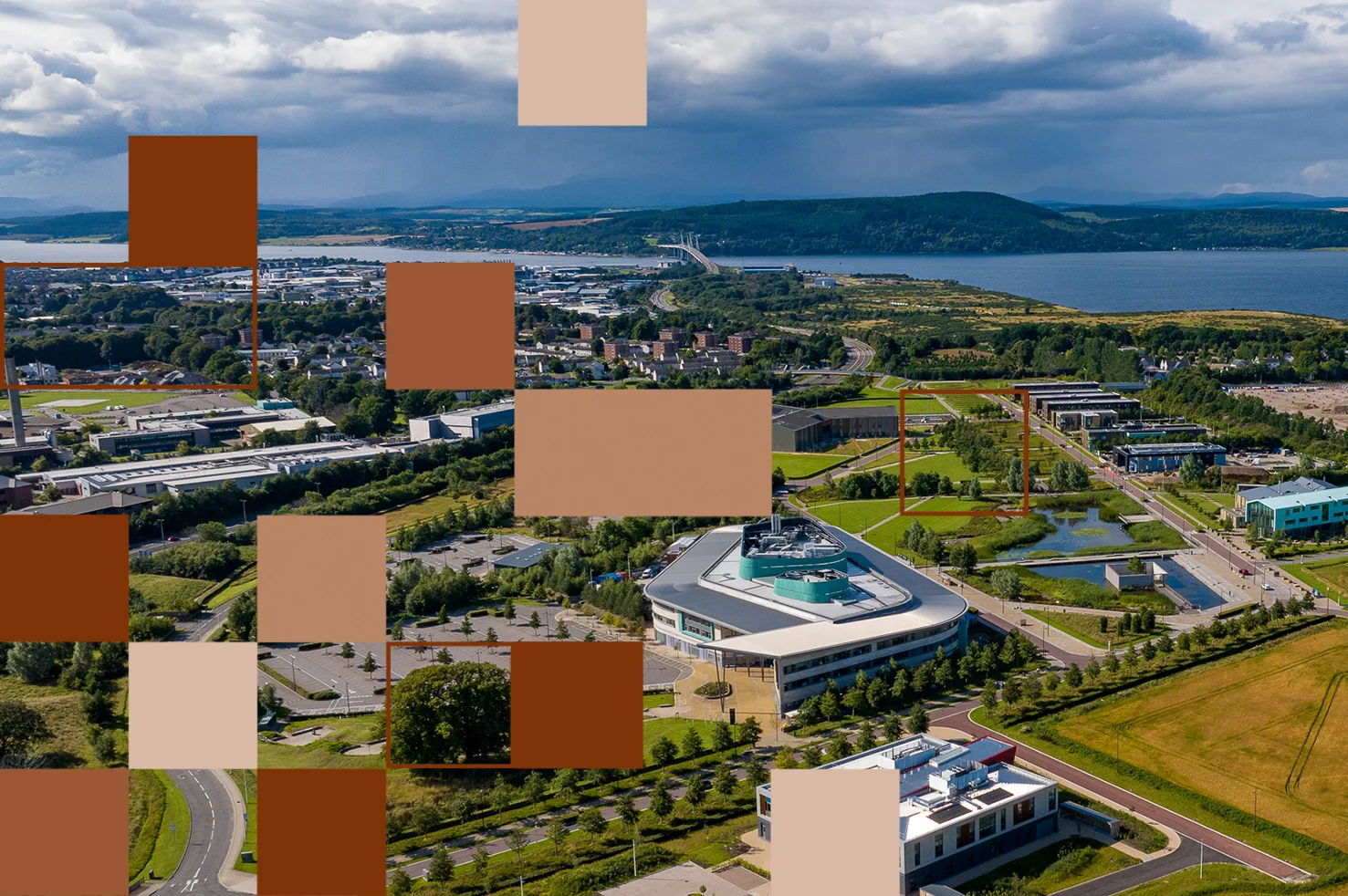
The Scottish Highlands are experiencing significant investment across infrastructure, housing and renewable energy projects, creating growing demand for skilled construction and engineering professionals. With major developments planned and underway across the region, construction jobs in Scotland are becoming increasingly concentrated in the Highlands.
Why Construction Activity Is Growing Across the Highlands
The Scottish Highlands are rapidly becoming one of the most active regions for construction jobs in Scotland, driven by major infrastructure investment, renewable energy developments, housing projects, and grid upgrades.
With Orion's HQ based in Inverness, we have a front-row seat to the scale of activity taking place across the region. From major transmission infrastructure and renewable energy developments to housing projects and large-scale civil engineering schemes, the Highlands are experiencing significant growth across both construction jobs and specialist infrastructure hiring.
This blog explores how energy transition investment is reshaping construction recruitment across the Highlands, with major projects creating demand for engineering, project management, planning, commercial, and site-based professionals.
We'll examine how developments linked to transmission infrastructure, renewable energy integration, subsea connectivity, and regional infrastructure expansion, are creating long-term workforce demand across the North of Scotland. We'll also explore some of the major projects driving growth in the region and the workforce challenges facing employers as they compete for skilled talent.
How Energy Projects Are Reshaping Construction Recruitment
Large-scale infrastructure developments are driving demand for skilled construction and engineering professionals.
Recent research by the CBI (Confederation of British Industry) concludes that the green sector represents 4.9% of Scotland's total economic output, supporting more than 105,000 jobs in Scotland and contributing £10.2bn to the economy. While the highest proportion of economic value are in Perth and Kinross, Aberdeen and East Lothian, the Highlands also features as a prominent hotspot.
Many of the projects located in the Highlands are linked to energy and the energy transition. Offshore and onshore wind projects are inherently multi-sector undertakings, drawing on expertise from a wide range of industries to support the move from concept to operation. Utilities play a central role in project ownership, energy generation, and grid integration, while the construction sector is critical for site preparation, foundation installation, and turbine assembly, often in challenging environments.
Power transmission specialists ensure that generated electricity is efficiently transported through onshore substations and grid networks, to end users. In addition, sectors such as marine engineering (for offshore developments), logistics and transportation, environmental consulting, and digital technology, all contribute to project success, highlighting how energy development is a highly collaborative effort across interconnected industries.
The scale of these developments is also increasing demand for specialist renewables recruitment support, as employers compete for professionals with experience across wind, hydrogen, transmission, and energy infrastructure projects.
These projects are significant because they are not just local builds; they are enabling infrastructure for Scotland’s wider net-zero and energy-security plans. In practice, that means major demand for civils, electrical, cabling, HV works, environmental, and project-management skills, across Caithness, Sutherland, Inverness-shire, and the Cromarty Firth area. What these multi-sector projects drive, is creating multi-sector skilled job opportunities across engineering and technical disciplines.
Major Projects Driving Construction Jobs in the Scottish Highlands
The biggest energy construction projects in the Highlands of Scotland are generating high levels of recruitment activity, across grid upgrades, hydrogen, offshore wind support, and large hydro storage schemes.
The standouts currently are SSEN’s North Highlands transmission works, the Cromarty Hydrogen Project, Coire Glas pumped hydro, the Western Isles HVDC Link, and major wind-farm-related infrastructure in the Moray Firth area.
Major projects include:
- SSEN Transmission’s North Highlands package: the Spittal, Loch Buidhe, and Beauly 400kV connection, plus a new subsea link from Spittal to Peterhead and new substation / converter stations at key points in the route.
- Cromarty Hydrogen Project near the Cromarty Firth: a green hydrogen production hub intended to decarbonise local industry, particularly distilleries and transport.
- Coire Glas near Loch Lochy: a pumped hydro storage scheme with potential capacity of up to 1,300MW and around 30GWh of storage.
- Western Isles HVDC Link: mainland works are beginning in the Highlands for the cable route that will connect the Western Isles to the grid.
- Moray Firth offshore wind infrastructure: projects such as Moray East depend on Highland onshore cable, substation, and logistics support around the north-east of Scotland.
Other areas worth noting include civic and urban facilities like HMP Highland, the expanding Inverness Campus, road and bridge upgrades, the Nigg and Ardersier Port expansions, as well as affordable housing developments.
The scale and variety of construction activity across the Highlands is creating significant opportunities for skilled professionals across engineering, infrastructure, and construction disciplines. Alongside opportunities linked to renewable energy developments, demand remains strong for candidates with experience in traditional energy sectors, including LNG jobs, utilities, and large-scale industrial construction projects, where many skills are highly transferable.
While this surge in investment is creating a wide range of career opportunities and supporting growth in construction jobs Scotland, the number of vacancies being generated is beginning to outpace the available workforce. This growing imbalance is creating significant recruitment challenges for employers across the region.

Construction Recruitment Challenges in the Highlands
The growth in Scottish Highland jobs is creating opportunities across construction, engineering, infrastructure, and energy, but employers are facing increasing competition for skilled workers.
As investment continues to accelerate across the Highlands, demand for skilled construction and infrastructure professionals is rising across a wide range of disciplines.
Roles currently in demand include:
- Site Managers
- Site Agents
- Quantity Surveyors
- Civil Groundworkers
- Surveyors
- Skilled Trades (joiners, bricklayers, and skilled labourers)
- Health and Safety Officers
- Environmental / Sustainability Officers
While demand is high, it comes with its own set of problems.
Skills Shortage
In a recent report published by Highlands and Islands Enterprise (HIE) in 2025, it is anticipated that, between 2025 and 2040, the Highlands and Islands will see more than 250 infrastructure projects, backed with investment of around £100bn. The scale of planned investment highlights why construction jobs employers are recruiting for today, are expected to remain in demand for years to come.
While this is great news for the area, it brings its own challenges that can be seen across other growing sectors experiencing rapid project growth, and that further increases competition for construction and infrastructure personnel and skilled engineering talent.
The report states that at its peak, the area will require an estimated 16,000 workers a year. These figures will be hard to meet at this current stage. As well as competing sectors, such as new projects for energy, renewables, utilities, power transmission etc., competition comes from across the region with the high profile local projects already mentioned, as well as the ongoing dualling of the A9 and Accelerated Strategic Transmission Investment (ASTI) projects, such as the Fort Augustus to Skye Overhead Line (OHL) upgrade. Not to mention the Highland Council’s commitment to building 24,000 new homes in the region.
All of these innovative and exciting prospects will rely on the same workforce. The number of resources required to fill and carry out these projects successfully looks very much in doubt as it stands.
New Discipline Headaches
While new energy initiatives are great news for the Highland region, such as offshore wind and the planned green hydrogen production hub in the Cromarty Firth, they are still relatively new. This makes the aforementioned skills gap doubly hard when trying to find experienced professionals for sectors and projects in their infancy.
Take hydrogen for example – finding individuals with direct experience in electrolysis, fuel cell technology, and large-scale renewable integration, will be difficult as you’re competing for talent in a niche area. And the same could apply for personnel involved in hydrogen construction projects.
Remote Project Mobility
As well as a lack of experienced talent, other challenges are also faced due to the nature of some new energy projects and facilities, like hydrogen and onshore and offshore wind, being located in remote areas.
This could lead to logistical and mobilisation challenges associated with remote project locations, where having a supply chain ahead of time will pay dividends. Having the infrastructure required, such as roads and grid access, is all part of the challenge when new construction projects are earmarked in the region.
Geographical Relocation
If you are lucky enough to identify the skilled individuals, you then have to convince them to relocate to the region. While living and working in the region offers an unmatched work-life balance in stunning surroundings with a real sense of community, it may still not be enough to convince many to take the plunge and relocate.
This could be down to a range of things such as:
- Lower salary (compared to central belt/major cities)
- Housing shortage
- Weather
- Transportation
- Higher cost of living (e.g. petrol)
- Access to cultural / art scene
The list could go on, based on personal preference and what individuals are used to, and unwilling to give up, for a slower pace of life.
How Orion Supports Construction Recruitment in the Highlands
To address the main pain point of the shortage of skilled construction professionals, regional recruitment knowledge is becoming a major advantage for infrastructure project delivery.
Orion Group specialises in construction and infrastructure recruitment around the world. We have our own dedicated construction and infrastructure recruitment specialists based in our Inverness HQ, covering the North of Scotland and beyond.
Our established team understands the local labour markets, mobilisation requirements, client needs, project environments, and who’s available. That’s why some of the largest construction and engineering companies in Scotland and the UK, partner with Orion to take advantage of our local and global networks.
With nearly four decades of experience supporting construction, infrastructure, renewables, and engineering projects across the Highlands, Orion Group continues to support and deliver the talent when and where it’s needed, to maintain the region’s continued growth and development.
View our Highland Construction project page or contact us today to discuss your staffing requirements.
FAQs
Why are construction jobs growing across the Scottish Highlands?
Construction jobs are growing across the Scottish Highlands because there’s ongoing demand for infrastructure upgrades, housing, and maintenance work, plus major projects and public investment are pulling more work into the region.
What infrastructure projects are driving recruitment in the Highlands?
Two of the main recruitment drivers in the Highlands are large-scale energy and grid infrastructure projects, especially SSEN Transmission’s onshore build-out and the wider Inverness and Cromarty Firth Green Freeport programme, which is unlocking port, industrial land and supply-chain development.
What construction jobs are in demand in Scotland?
Roles include site managers, quantity surveyors, civil groundworkers, plant operators, joiners, bricklayers, health and safety officers, and skilled labourers. Technical roles like architectural technicians and site agents are also being hired actively, especially on housing, infrastructure, and civil engineering projects.
How is the energy transition impacting construction recruitment?
The energy transition is increasing demand for construction talent in clean energy, grid, retrofit and infrastructure projects, while also worsening skills shortages because the sector needs workers with the right electrical, mechanical and engineering experience.
What skills are needed for Highland infrastructure projects?
Large projects typically need a mix of civil engineering, site management, and project coordination skills, plus strong health and safety awareness, and the ability to work in remote or logistically challenging locations.
What construction jobs are available in Scotland?
Construction jobs Scotland employers are actively recruiting for include site managers, quantity surveyors, civil engineers, skilled tradespeople, health and safety professionals, and project managers across infrastructure, housing, and energy developments.
What Scottish Highland jobs are currently in demand?
Scottish Highland jobs in highest demand include construction professionals, engineers, project coordinators, environmental specialists, and skilled trades supporting infrastructure and renewable energy projects across the region.
How is renewables recruitment supporting Highland projects?
Renewables recruitment plays a vital role in helping employers secure skilled professionals for wind, hydrogen, transmission, and energy infrastructure projects that support Scotland's net-zero ambitions.
Why are construction jobs in Scotland employers struggling to fill?
Construction jobs Scotland employers are finding difficult to fill include site managers, quantity surveyors, engineers, and skilled trades due to increasing project demand, skills shortages, and competition from energy and infrastructure sectors.
Related Posts
Can an Electrician Become an Electrical Engineer?
09 Oct, 2026

The Workforce Challenge Behind the Data Centre Boom
08 Oct, 2026