
Medical Device Career Paths: Which Role Is Right for You?
10 Sept, 20267 mins
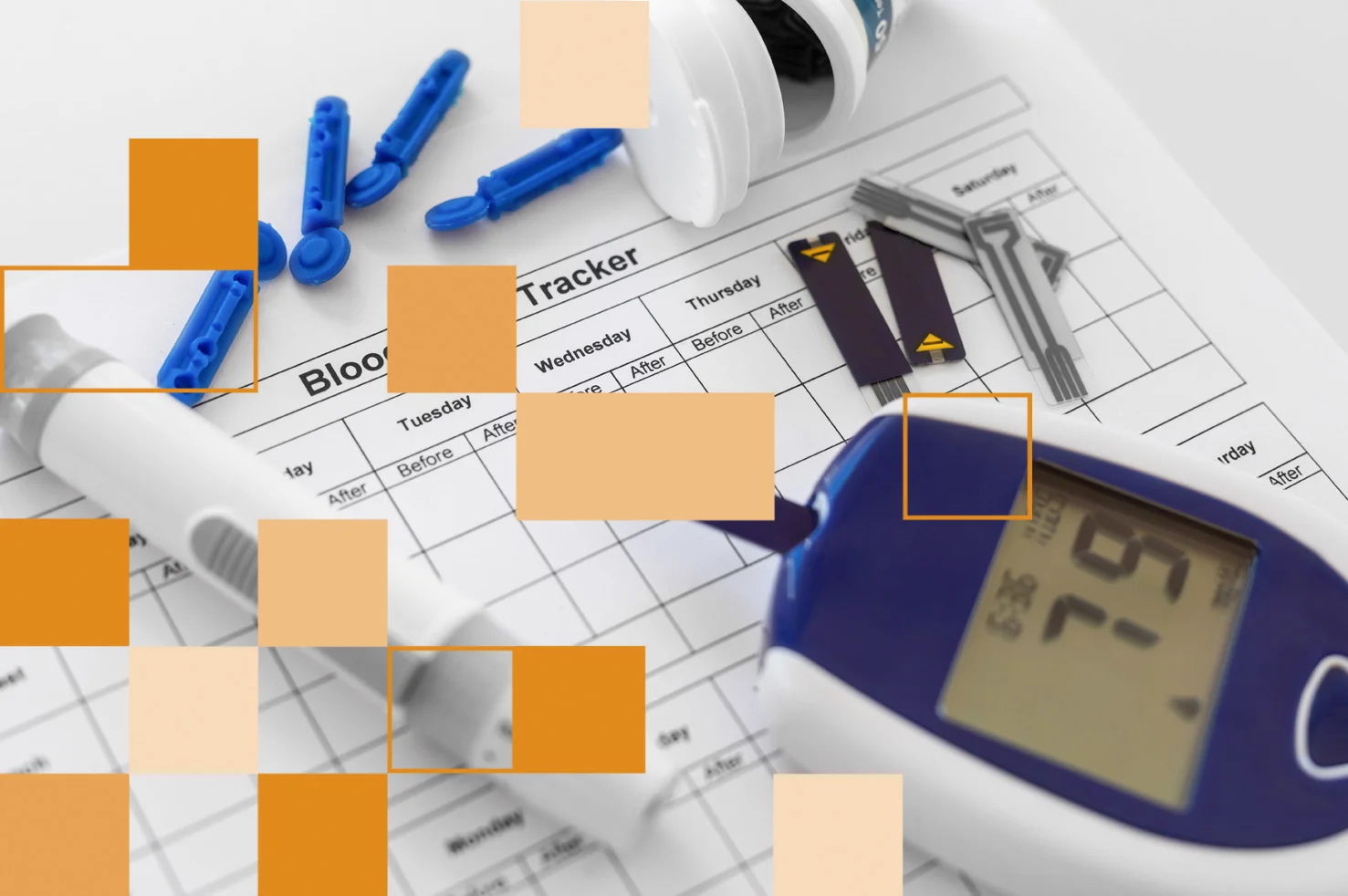
From the moment we check our blood sugar levels, to undergoing advanced diagnostic scans, medical devices play an important role in modern healthcare, often without us fully realising their impact. These technologies range from small, wearable tools like continuous glucose monitors and insulin pumps, which empower individuals to manage chronic conditions daily, to sophisticated hospital-based systems such as MRI scanners that enable clinicians to detect and diagnose complex illnesses with remarkable precision.
The medical device industry offers a diverse range of career opportunities, from engineering and product development, to testing, quality assurance, regulatory affairs, and clinical roles. As the life science industry continues to innovate, candidates often find themselves choosing between multiple medical device career paths, without a clear understanding of where each role can lead.
Medical device career paths cover every stage of the product lifecycle, including product development, engineering, testing, clinical trials, regulatory approval, manufacturing, and market launch. The right path for you will depend on your skills, experience, and whether your interests are technical, scientific, regulatory, or commercial.
This article provides a practical guide to the most common medical device career paths, helping prospective candidates understand the skills, responsibilities, and progression opportunities, associated with each discipline. It also looks at how medical device careers connect with the wider Life Science sector, leading to other opportunities such as clinical research careers, regulatory affairs careers, and clinical science.
Why Choose a Career in the Medical Device Industry?
The medical device sector remains one of the most attractive areas within Life Science, drawing professionals from engineering, clinical, regulatory, and commercial backgrounds. The UK has reported a record high in approved medical device testing, indicating that the medical device sector is in a healthy position. Its appeal lies in its pace of innovation, global relevance, and the meaningful impact it has on patient care. Its attraction lies in:
Driving Innovation at Pace
Innovation is central to the sector, from AI-driven diagnostics and wearable technologies, to advanced surgical robotics. Professionals are drawn to the opportunity to work on cutting-edge solutions that directly improve outcomes, often with faster routes from development to market, than other Life Science areas, like pharmaceuticals.
Sustained Global Demand
Global demand continues to rise, driven by ageing populations, chronic disease, and expanding healthcare access. This creates a resilient job market with strong opportunities across R&D, manufacturing, and regulatory functions.
Diverse Career Pathways
The sector offers broad career options across research, quality, regulatory, operations, and commercial roles, enabling professionals to pivot and grow in line with their interests.
Long-Term Progression
Ongoing innovation and company growth support clear career progression, with increasing demand for leadership in areas such as regulatory strategy and product development.
A Critical Role in Life Sciences
Medical devices play a vital role in bridging diagnostics, treatment, and patient care, supporting the shift towards more personalised and preventative healthcare.
So, if you’re looking for far-reaching and rewarding life science careers, then medical devices could be the right area for you.
What Are the Most Popular Medical Device Career Paths?
The range of specialist roles within the medical device industry reflects the numerous stages within the medical development process, from the initial idea, to release into the mainstream market.
The medical device process is typically comprised of several stages, and there will be numerous sub-stages within each, meaning the depth of roles can grow even further. For the purpose of this blog, we’ll focus on the main areas, what they are, and some of the standard roles within each stage.
Stage 1 – Idea and Risk Analysis
Medical device development typically begins with an idea for a new product or a solution to an unmet clinical need. This is where the intended use is thought out, who it is meant for, what the potential risks are, including those to patients, the process, the company and profits, and what is currently out there.
It’s an information-gathering exercise designed to cover all the bases of risk and reward.
Roles required:
- Product Manager or Product Owner
- Clinical Lead or Medical Advisor
- Risk Manager or Risk Analysis Lead
Stage 2 – Medical Device Conceptualisation and Regulatory Compliance
This stage focuses on turning the idea into a concept, gathering regulatory requirements such as those related to the Quality Management System (QMS), as well as looking at intellectual property rights.
This stage would include the majority of roles used throughout the process, as all would need to be involved.
Roles required:
- Product Manager or Product Owner
- Clinical Lead or Medical Advisor
- R&D Engineer or Biomedical Engineer
- Risk Manager or Risk Analysis Lead
- Regulatory Affairs Specialist
- Quality Assurance or Quality Management Specialist
- Market Research or Commercial Lead
Stage 3 – Design and Development
This is where the product design starts and will involve drawings, specifications, materials, and more. The design will typically go through several rounds of development, testing, and review, to ensure it meets its intended purpose.
Roles required:
- Product Development Engineer or Medical Device Engineer
- R&D Engineer or Scientist
- Design Engineer
- Biomedical Engineer
- Mechanical, Electrical or Software Engineer
Medical device engineer jobs at this stage can involve designing, developing, testing, and improving products, used within healthcare.
Stage 4 – Preclinical Testing
This involves the product going through several sets of testing, including in the laboratory and through computer modelling, looking out for engineering defects, reactions, side effects, and more. This helps to make sure the product works as intended and is reliable before being used by a human subject.
Roles required:
- Study Director
- Principal Investigator
- Programme Manager
- Regulatory Affairs Specialist
- Quality Assurance Specialist
- CRO Staff
- Specialised Scientists
Stage 5 – Clinical Trials
The goal at this stage is to generate clinical evidence demonstrating that the device is safe and performs as intended, when used with patients. Depending on the device and study design, this may involve clinical investigations conducted with healthcare organisations and human participants.
Roles required:
- Project Manager
- Principal Investigator or Clinical Investigator
- Clinical Research Associate (CRA)
- Clinical Trial Coordinator or Study Coordinator
- Data Manager
- Biostatistician
- Regulatory Affairs Specialist
- Quality Assurance Specialist
- Medical Writer
This stage can offer a number of clinical research careers for professionals interested in clinical trials, evidence generation and patient safety.
Stage 6 – Regulatory Approval
Depending on the risk level of the device, the data collected and analysed must demonstrate compliance with the MDR or another relevant governing body, before it enters the market.
Roles required:
- Regulatory Affairs Specialist or Associate
- Regulatory Affairs Manager or Director
- Quality Assurance or Quality Management Lead
- Clinical Affairs or Clinical Research Lead
- R&D or Design Engineering Lead
- Medical Writing or Technical Documentation Specialist
- Product Development or Programme Manager
This stage is particularly relevant to candidates interested in regulatory affairs careers within the medical device sector.
Stage 7 – Market Launch
Once approved, the focus moves to manufacturing at scale, market access, distribution, and communicating the value of the device to healthcare professionals and other relevant stakeholders.
Roles required:
- Regulatory Affairs
- Quality Control
- Corporate Quality and Site Quality
- IT and ERP Management
- Production and Manufacturing Specialists
- R&D and Programme Management
- Marketing and Sales
- Supply Chain and Logistics
Which Medical Device Career Path Is Right for You?
Depending on your level of interest within medical devices, making the right choice could be a difficult decision, as each stage offers a variety of roles.
The following table is a rough guide based on the stages above:
| Medical Device Career Stage | Who is it best suited to? | Roles to consider |
|---|---|---|
| Stage 1 – Idea and Risk Analysis | Professionals who enjoy strategic problem-solving, assessing risks and working across multiple teams. | Product Manager, Clinical Lead and Risk Manager |
| Stage 2 – Conceptualisation and Regulatory Compliance | Professionals interested in combining science or engineering with regulatory compliance, quality systems and commercial planning. | Product Manager, Biomedical Engineer, Regulatory Affairs Specialist and Quality Assurance Specialist |
| Stage 3 – Design and Development | Engineering and scientific professionals who want to design, develop and improve medical devices. | Medical Device Engineer, Design Engineer, Biomedical Engineer and Software Engineer |
| Stage 4 – Preclinical Testing | Professionals interested in laboratory work, testing, validation, product safety and quality. | Study Director, Principal Investigator, Validation Specialist and Quality Assurance Specialist |
| Stage 5 – Clinical Trials | Scientific and clinical professionals interested in clinical research, patient safety, data and trial delivery. | Clinical Research Associate, Clinical Trial Coordinator, Data Manager and Medical Writer |
| Stage 6 – Regulatory Approval | Detail-focused professionals interested in regulatory affairs, compliance, quality and technical documentation. | Regulatory Affairs Specialist, Quality Assurance Lead and Medical Writer |
| Stage 7 – Market Launch | Professionals interested in manufacturing, operations, supply chains, sales or bringing medical devices to market. | Production Specialist, Supply Chain Professional, Product Manager and Sales Manager |
What Skills Support Every Medical Device Career?
Whatever your area of interest or discipline, there are other valuable technical and transferable skills that potential employers consistently look for, and value. These skills can sometimes be overlooked by candidates but remain important when working across multidisciplinary, highly regulated environments.
These include:
- Problem-solving: Identifying issues quickly and finding practical solutions to keep products, processes and compliance on track.
- Communication: Sharing information clearly with colleagues, regulators and stakeholders to avoid misunderstandings and support safe outcomes.
- Collaboration: Working effectively across teams such as engineering, quality, manufacturing and regulatory affairs to achieve shared goals.
- Attention to detail: Checking work carefully to reduce errors, maintain product safety and meet strict standards.
- Regulatory knowledge: Understanding the rules and requirements that govern medical devices so work stays compliant and audit-ready.
- Quality management: Following systems and procedures that help ensure products are consistent, safe and fit for use.
- Project management: Planning, coordinating and delivering work on time while managing priorities, resources and risks.
- Continuous learning: Staying up to date with new regulations, technologies and best practices in a fast-changing industry.
Demonstrating these attributes alongside your specialist expertise and previous experience can support progression throughout your medical device career.
How Medical Device Experience Supports Wider Life Sciences Careers
Experience gained across the medical device lifecycle can create opportunities beyond a single discipline. Professionals often develop a combination of technical, clinical, and regulatory knowledge, that transfers naturally into wider life science careers, without requiring them to start again in a completely new field.
Moving into Clinical Research
Professionals with experience in clinical evaluation, product testing, quality, or regulatory compliance, are well placed to pursue Clinical Research Associate jobs. Their understanding of medical devices, clinical evidence, and patient safety, can be particularly valuable when coordinating studies, working with trial sites, or overseeing increasingly complex clinical programmes.
Developing a Career in Regulatory Affairs
Medical device professionals frequently work alongside regulatory teams throughout product development, from early risk analysis and technical documentation, to submissions and market approval. This exposure can provide a strong foundation for Regulatory Affairs jobs, particularly for professionals who understand both the technical detail of a product and the requirements needed to bring it to market.
Progressing into Clinical Science
Experience, generating, reviewing, and applying clinical evidence, can also lead to Clinical Scientist jobs. Professionals who understand how a device performs throughout its lifecycle can use that knowledge to support clinical evaluation, evidence strategy, and the safe use of products within healthcare settings.
These connections give experienced professionals the flexibility to specialise further, move into leadership or apply their knowledge across different stages of medical device and Life Science development.
Finding Your Next Career Opportunity With Orion
Orion Group combines broad Life Science recruitment expertise with specialist medical device recruitment, supporting medical device organisations across a wide range of functions.
With access to extensive talent networks, including specialist disciplines of scientists, regulatory affairs personnel, engineers, and Quality Associates, Orion can help strengthen workforce planning and address complex recruitment challenges through a consultative, tailored approach.
Whether you’re recruiting experienced Clinical Research Associates, Risk Specialists, Design Engineers, or Sales Directors, Orion’s specialist Life Science recruitment experts support organisations hiring across a wide range of life sciences jobs, from clinical operations through to regulatory affairs.
Orion also supports candidates throughout their medical device careers. Whether you’re pursuing Medical Device Engineer opportunities or looking to progress within medical device regulatory affairs, quality assurance, or clinical research, Orion can help you find a role that aligns with your experience and career goals.
Need to hire? Contact our Life Science team to discuss your medical device recruitment needs.
Looking for your next role? Search our latest medical device engineer jobs and wider Life Science roles.
FAQs About Medical Device Careers
What are the most popular medical device career paths?
The most popular routes include product management, engineering and design, quality assurance, regulatory affairs, clinical research, testing, manufacturing and market launch. Different paths suit technical, scientific, commercial and leadership interests.
What qualifications do I need for a career in medical devices?
Qualifications vary by role, but most employers look for a relevant degree in engineering, science, biomedical, clinical or related fields, plus experience or knowledge of quality systems, regulations or clinical research for more specialist roles.
What skills do employers look for in medical device careers?
Skills employers look for include problem-solving, communication, collaboration, attention to detail, regulatory knowledge, quality management, project management and continuous learning.
What do medical device engineer jobs involve?
Medical device engineer jobs can involve designing, developing, testing and improving healthcare products. Specific responsibilities vary between R&D, design, biomedical, mechanical, electrical and software engineering roles.
Are skills gained in medical devices transferable to other Life Sciences roles?
Yes. Experience in clinical evidence, regulatory compliance, quality and product development can transfer into related areas such as clinical research, regulatory affairs and clinical science.
What clinical research careers are available in medical devices?
Clinical research careers within medical devices include Clinical Research Associate, Clinical Trial Coordinator, Clinical Project Manager, Data Manager, Biostatistician and Medical Writer roles.
What regulatory affairs careers are available in medical devices?
Regulatory affairs careers include Regulatory Affairs Associate, Regulatory Affairs Specialist, Regulatory Affairs Manager and Regulatory Affairs Director. These roles support approvals, compliance, submissions and technical documentation throughout the product lifecycle.
Which medical device roles does Orion recruit for?
Orion recruits across medical device engineering, regulatory affairs, quality assurance, clinical research, data, manufacturing and commercial functions.