Important Update: Umbrella Company Reform
25 Mar, 2026

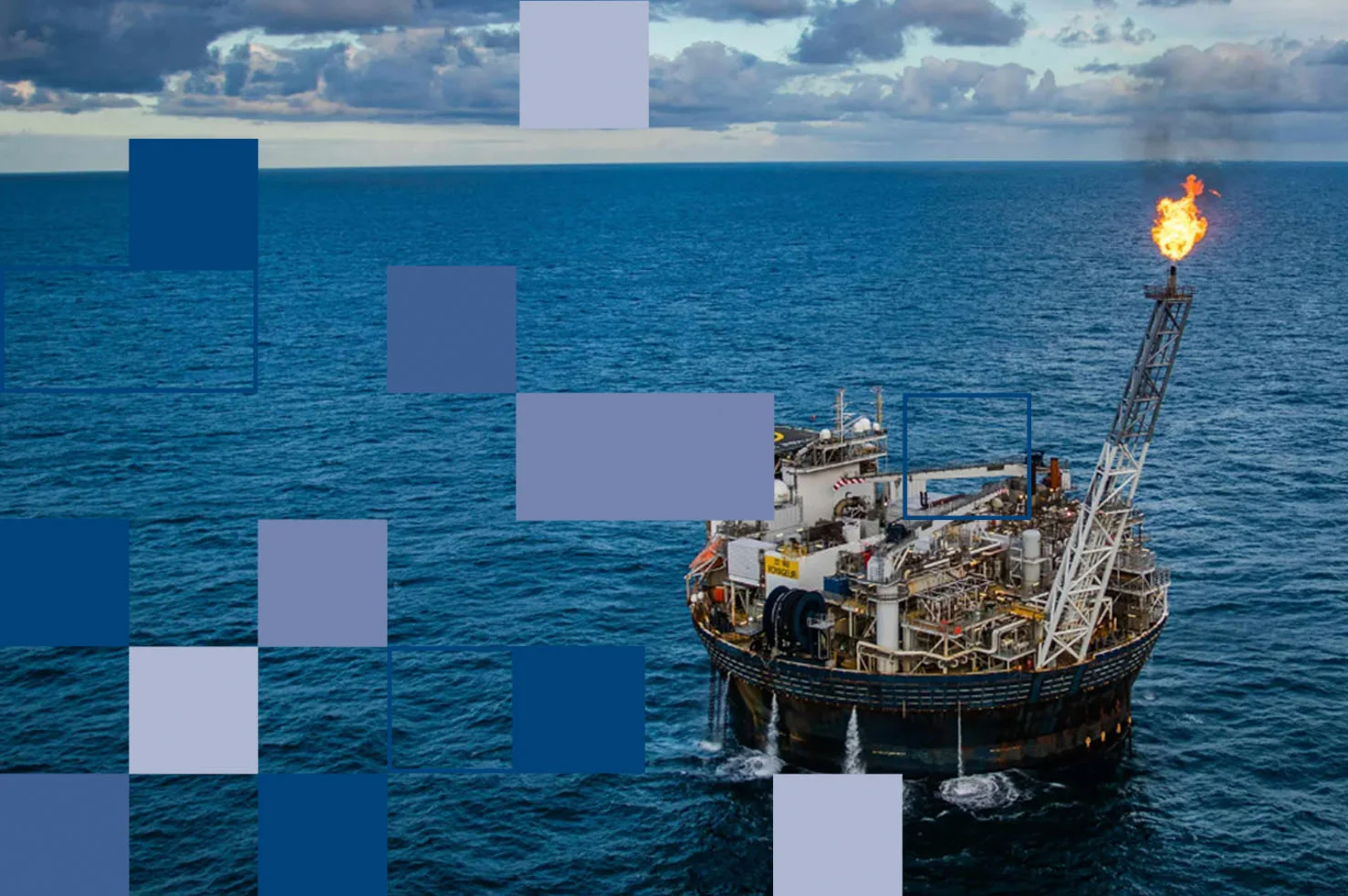
The UK North Sea is entering a new phase.
After decades of production, the basin is now defined by consolidation, joint ventures, asset sales and evolving energy strategies. Operators are balancing production efficiency with cost discipline, while also planning for electrification, carbon reduction and long-term energy transition projects. Against that backdrop, workforce stability has become one of the most critical operational priorities.
In this environment, recruitment cannot simply be transactional. It must be structured, strategic and aligned to long-term business objectives.
Orion Group’s recent appointment as Managed Service Provider for a newly formed UK North Sea joint venture between two global energy majors, demonstrates how recruitment, when delivered properly, becomes far more than filling vacancies. It becomes a core part of operational continuity and workforce strategy.
As Steve Greig (Regional Director) explains, “The North Sea has always demanded resilience, but what we are seeing now is complexity at a different level. Mergers, joint ventures and asset transfers create uncertainty. Our role is to remove that uncertainty from a workforce perspective and bring stability.”
The newly established joint venture combines significant offshore oil and gas assets, creating one of the largest independent producers in the UK basin. As part of the transition, Orion was selected to deliver both contractor and permanent recruitment services across onshore and offshore operations in Aberdeen. A central component of the award was the seamless transfer of approximately 120 personnel.
This was not simply a new account. It was a large-scale workforce transition under tight timelines, with operational continuity at stake.
Transitions of this nature are rarely straightforward. They involve commercial agreements, legal frameworks, payroll structures, compliance requirements, contractor engagement and internal stakeholder alignment. All of this must be executed while maintaining production across critical offshore assets.
In this case, the timeline was approximately six to eight weeks from formal award, to go-live. From day one, structure and communication were prioritised.
A formal kick-off meeting was held between Orion’s transition team and the client’s HR and Contracts functions. Clear objectives were agreed. Roles and responsibilities were defined. A detailed transition timeline was established and shared across all stakeholders.
The agreed plan included:
Each of these steps was critical. However, beyond process and documentation, the human element was equally important.
“When you are transferring 120 contractors in a compressed timeframe, you cannot underestimate the importance of communication,” says Steve. “Contractors want clarity. They want to know what is changing, what is not changing and who they can speak to. If you get that right, confidence follows.”
Orion’s team invested significant time in direct engagement. Every contractor received clear written information and was offered the opportunity for an individual call to address concerns around pay, compliance, onboarding, and day-to-day operational matters.
For the client, weekly governance meetings ensured transparency and control. Any issues were escalated and resolved quickly. Reporting provided visibility of progress at every stage.
The outcome was a smooth transfer of approximately 120 personnel without operational disruption. Production continued uninterrupted. Contractors remained engaged and informed. The client retained workforce stability during a major corporate transition.
That level of execution is not accidental. It is built on experience.
The scale and complexity of this transition illustrates why Managed Service Provider models are becoming increasingly prevalent across the energy sector.
In traditional recruitment models, agencies respond to individual requisitions. The relationship is reactive. The focus is on filling roles. An MSP model changes that dynamic fundamentally.
An effective MSP becomes an integrated extension of the client’s organisation. It provides governance, visibility, market intelligence and forward planning, rather than simply sourcing CVs.
By embedding an experienced Account Manager in Aberdeen, Orion operates within the rhythm of the client’s business. Workforce discussions happen in real time. Project pipelines are visible. Skills gaps are identified early. Hiring trends are monitored proactively.
Steve describes it clearly; “The real strength of an MSP model is foresight. It allows us to anticipate workforce requirements before they become urgent. Instead of reacting to pressure, we help clients plan around it.”
Under the MSP framework, Orion supports the client by:
For clients, this creates consistency and control. Budget forecasting becomes more accurate. Compliance risks are reduced. Reporting becomes centralised rather than fragmented across multiple agencies.
For hiring managers, the benefits are equally clear. They gain a single point of contact who understands operational context, not just job specifications.
For contractors, the MSP model offers clarity and stability. They know who to contact. They receive consistent communication. Payment processes are structured. Onboarding is coordinated. Questions are answered locally rather than through distant call centres.
“In Aberdeen, relationships matter,” Steve notes. “Being present onsite means contractors and managers see the same faces. That builds trust. And trust is what makes transitions smoother.”
Workforce transitions can create uncertainty for contractors. Questions arise around rates, terms, payroll continuity and future opportunities.
A key priority throughout this MSP mobilisation was to ensure contractors felt supported rather than displaced.
Clear information packs outlined timelines and next steps. Direct contact details were provided. One-to-one discussions gave contractors the opportunity to raise concerns confidentially. Contract documentation was issued in a timely manner, aligned with the go-live schedule.
Importantly, there was no disruption to pay cycles or offshore mobilisation.
From a contractor perspective, the difference between a poorly managed transition and a well-executed MSP transfer is significant. Stability affects morale. Morale affects performance. Performance affects production.
By maintaining open dialogue and local support in Aberdeen, Orion ensured that workforce confidence remained intact.
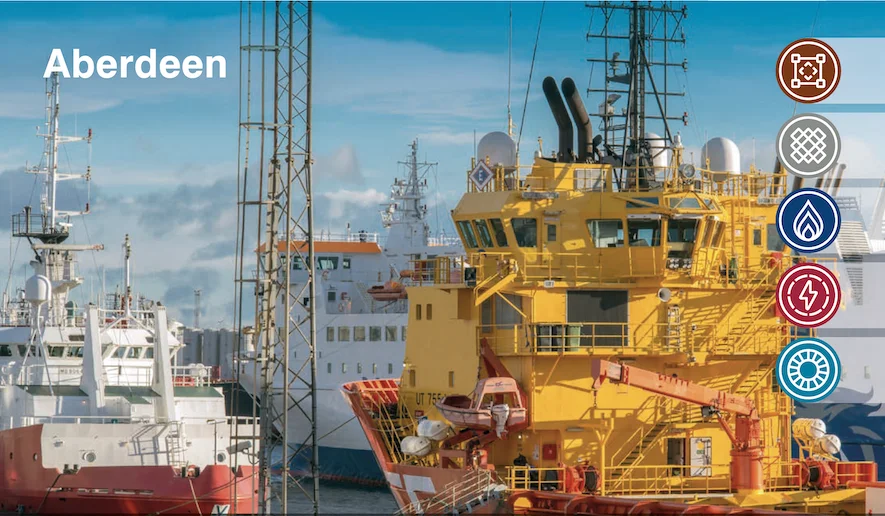
Orion’s Aberdeen office has been embedded in the North Sea recruitment market for decades. The team has supported operators through oil price downturns, major project investments, decommissioning cycles and now the accelerating energy transition. That depth of exposure matters.
The Aberdeen team combines:
When consolidation occurs, it is rarely just about moving headcount. It is about preserving institutional knowledge, ensuring safe operations and maintaining productivity levels across complex assets.
Steve summarises it well; “Asset transfers are not just commercial transactions. They are people transitions. If you mishandle that, you risk losing experience and damaging confidence. Our job is to make sure that does not happen.”
The Aberdeen team’s local presence plays a crucial role. Trust in the North Sea is built face to face. Contractors want to know their concerns will be addressed by someone who understands offshore rotations, certification renewals and the realities of life in the basin.
That local credibility cannot be replicated remotely.
As workforce models continue to evolve, Aberdeen remains central to Orion’s energy strategy. The office serves not only oil and gas operations, but also supports decommissioning projects, electrification initiatives, carbon capture developments and emerging renewable investments.
The skills landscape is diversifying. Recruitment solutions must diversify with it.
The energy sector is changing structurally. Operators are restructuring portfolios. Private equity-backed independents are entering the basin. Joint ventures are becoming more common. Decarbonisation targets are influencing capital allocation decisions. Each of these shifts has workforce implications.
Workforce consolidation requires structured transition. New investment requires rapid mobilisation. Decarbonisation projects demand specialist skills that may be in limited supply.
In this environment, recruitment cannot remain reactive.
MSP contracts provide a framework that supports stability during change. They create accountability. They centralise governance. They provide visibility across contractor and permanent workforces.
Most importantly, they allow operators to focus on safe and efficient production, while a specialist workforce partner manages the complexity behind the scenes.
For Orion, the recent MSP award reinforces our position as a strategic workforce partner in the UK North Sea. It reflects confidence not only in our processes, but in our people.
Steve adds, “Our approach has always been consultative. We do not just ask what roles need filling. We ask where the business is going, what skills will be needed in six months, and how we can build a workforce strategy around that.”
That mindset defines the Aberdeen team.
Recruitment today is no longer simply about speed. It is about alignment. It is about governance. It is about protecting operational continuity during periods of change. And above all, it is about partnership.
As the North Sea continues to evolve, Orion’s Aberdeen team remains committed to leading from the front. Supporting clients through consolidation. Supporting contractors through transition. Providing structure where complexity exists.
Because in today’s energy landscape, recruitment is not transactional. It is strategic.
And in Aberdeen, Orion Group is proud to be at the centre of that strategy.
To find out more about our recruitment solutions in Aberdeen please contact Steve Greig (Regional Director) on steven.greig@orioneng.com