New Fraud Risks Facing Life Sciences Recruitment
16 Mar, 2026
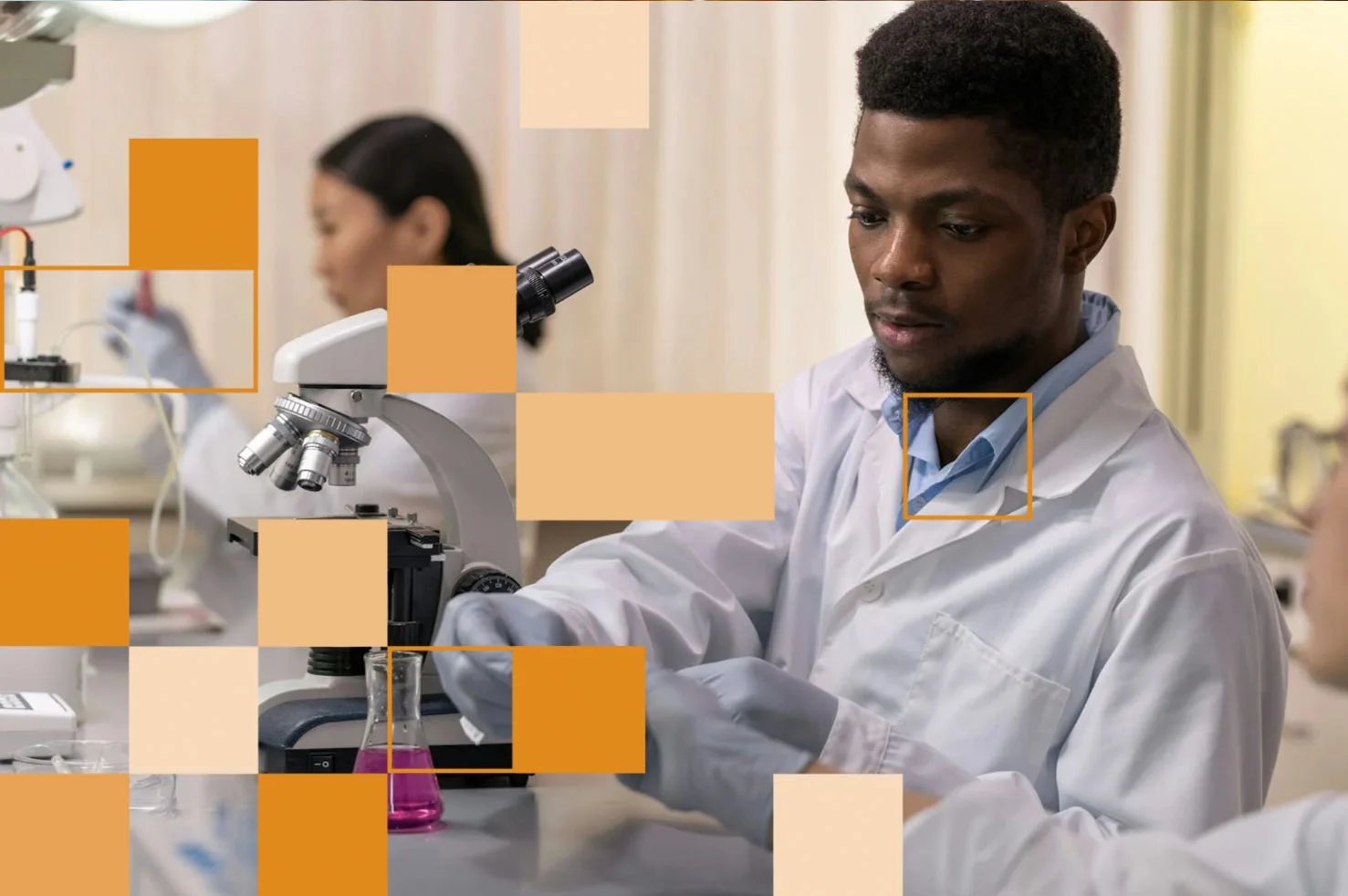


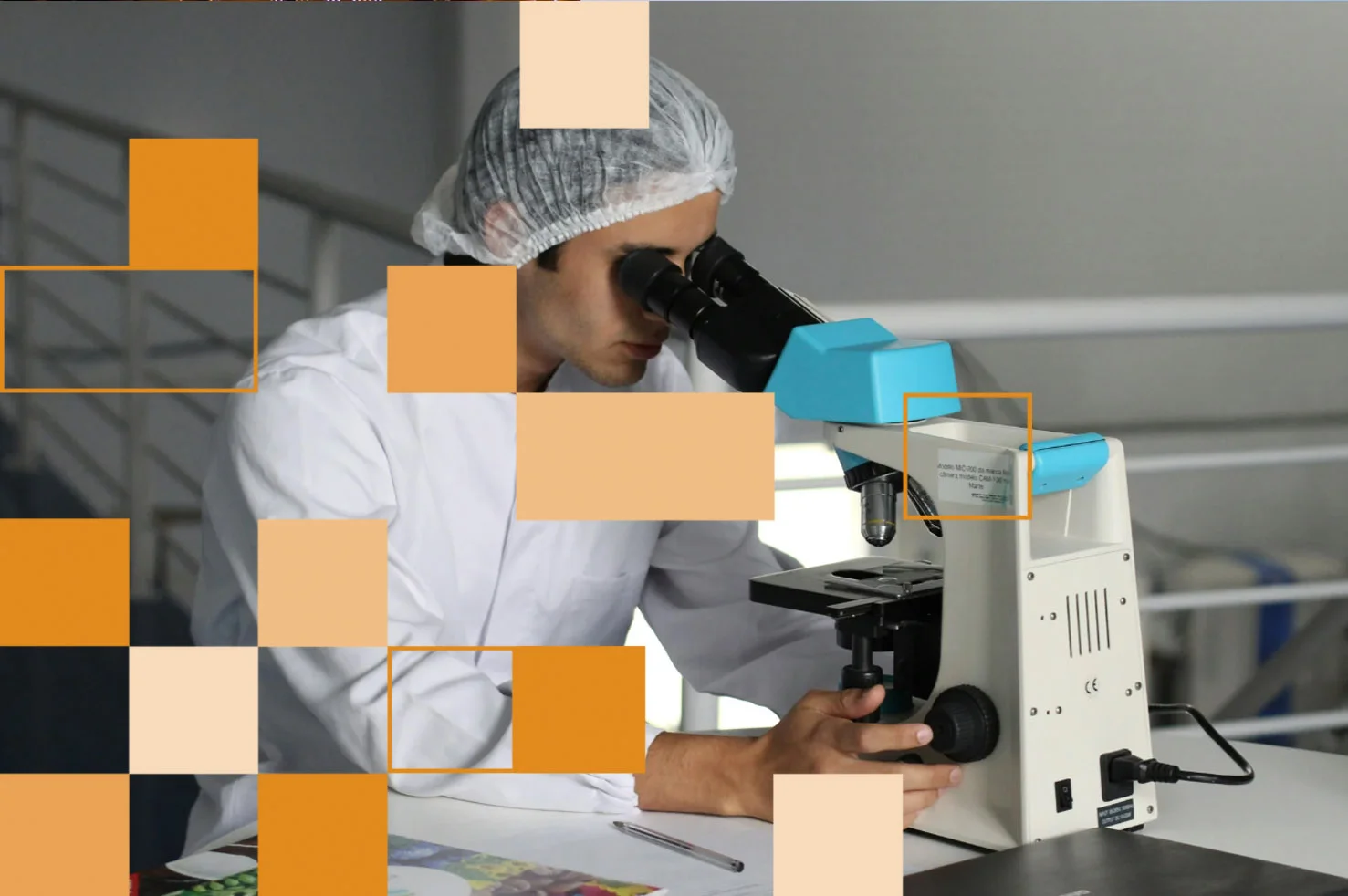
Across the life science sector, there is growing interest among candidates in pharma manufacturing who want to transition into biotech roles. Whether driven by career progression, exposure to cutting-edge therapies, or long-term sector growth, biotech careers are increasingly attractive to professionals with GMP (Good Manufacturing Practice) backgrounds.
Despite this interest, many candidates hesitate. They assume biotech roles require entirely different experience or advanced scientific knowledge beyond their current skill set. In reality, the transition from pharma manufacturing into biotech is often far more straightforward than expected.
Pharma jobs build strong foundations in regulated environments, cleanroom behaviour, documentation discipline, and process consistency. These fundamentals are critical across modern biomanufacturing facilities, particularly in cell and gene therapy, biologics, and advanced therapeutics. As biotech recruitment continues to grow, employers and biotech recruiters actively seek candidates who already understand GMP expectations and sterile manufacturing.
At Orion, we work with candidates across both pharma recruitment and biotech recruitment. We regularly support professionals moving from tableting, fill-finish, aseptic processing, and packaging roles, into biotech careers. With the right guidance, positioning, and targeted upskilling, pharma manufacturing experience can open doors to a wide range of biotech jobs.
One of the biggest barriers candidates face when considering biotech jobs is underestimating the value of their existing experience. Pharma manufacturing roles develop a highly transferable skill set that biotech recruiters actively prioritise.
GMP discipline is one of the most important areas of overlap. Candidates from the pharma manufacturing are accustomed to working in strictly regulated environments where compliance, data integrity, and procedural accuracy are essential. These principles apply to biotech careers, where regulatory scrutiny is often even more intense given the complexity of biological products.
Cleanroom experience is another major advantage. Understanding gowning procedures, contamination control, environmental monitoring, and cleanroom behaviour translates directly into biotech jobs. Many biomanufacturing facilities operate at high-grade cleanroom classifications, and employers value candidates who can step into these environments confidently.
Aseptic technique is particularly relevant. Professionals from fill-finish, aseptic processing, and sterile packaging already understand how to minimise contamination risk, follow aseptic workflows, and maintain process integrity. These skills are critical across cell culture, upstream processing, and downstream purification roles in biotech.
Documentation is another strong crossover. Experience completing batch records, logging deviations, participating in investigations, and supporting audits demonstrates attention to detail and accountability. Biotech recruiters consistently look for candidates who can own documentation and understand its impact on product quality and patient safety.
Problem-solving also transfers well. Pharma manufacturing environments demand quick thinking, root cause analysis, and cross-functional collaboration. These behaviours are essential in biotech careers, where processes may be newer, more variable, and constantly evolving.
Rather than viewing pharma manufacturing as a limitation, candidates should recognise it as a strong platform for entering biotech jobs with confidence.
Understanding which biotech jobs offer realistic entry points helps candidates focus their job search and increases success rates. Several roles are particularly well-suited to professionals transitioning from pharma manufacturing:
Biotech recruitment teams can assess transition candidates by looking at mindset as much as technical knowledge. Candidates who demonstrate adaptability, learning agility, and a strong GMP foundation are often favoured, even if they lack direct biotech experience.
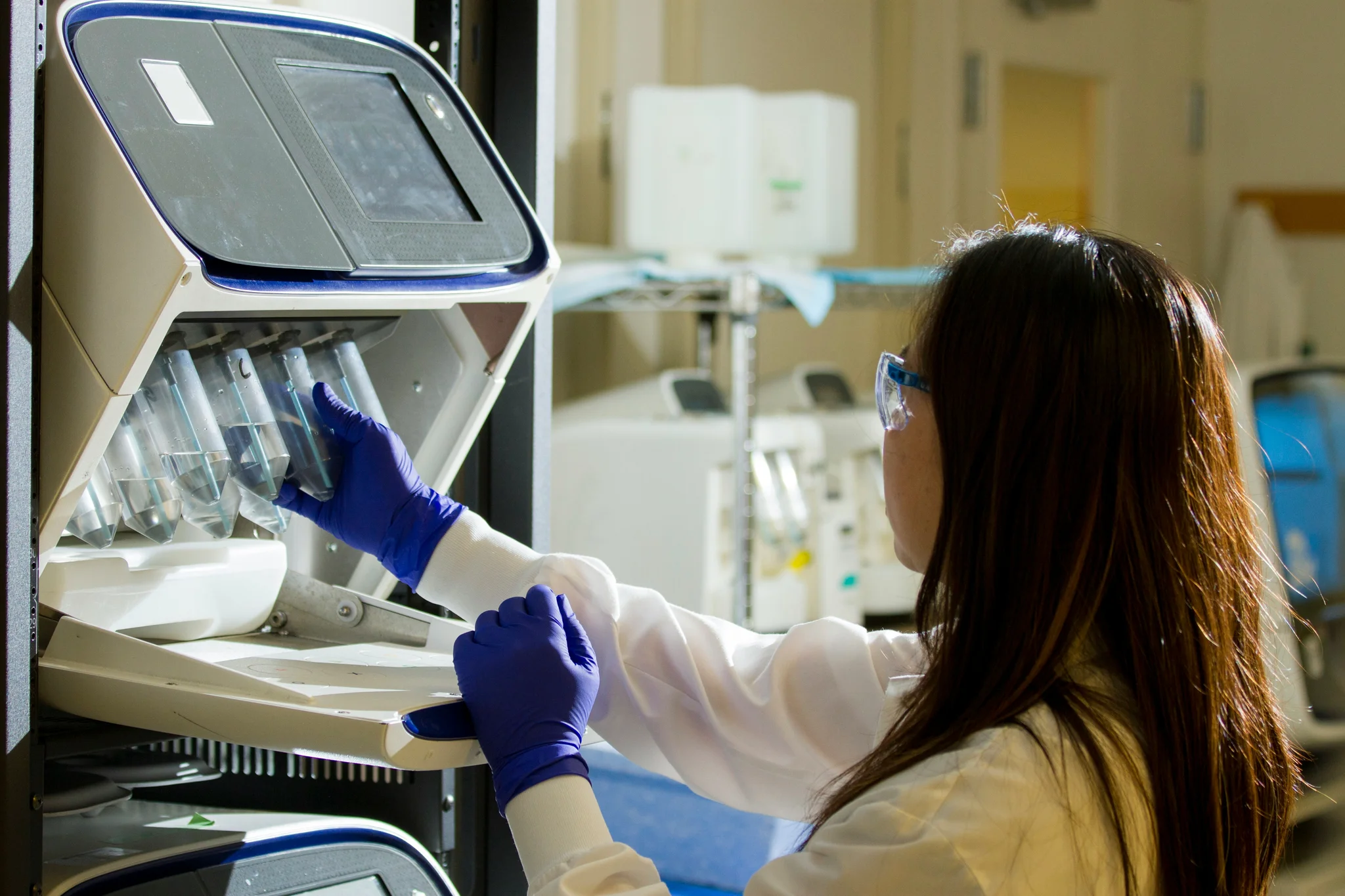
While many skills transfer directly, candidates can improve their competitiveness by strengthening specific areas relevant to biotech recruitment.
Understanding cell growth, contamination risks, and aseptic handling builds confidence and shows commitment to biotech careers. This knowledge can be gained through short courses, online training, or on-the-job exposure.
Many biotech facilities rely on disposable systems for flexibility and contamination control. Candidates from pharma manufacturing often adapt quickly once introduced to these technologies.
In biotech jobs, experience in weighing, mixing, and preparing solutions under GMP conditions aligns well with existing pharma manufacturing skills.
While hands-on experience may be limited initially, understanding bioreactor principles and monitoring parameters can make candidates more attractive to biotech recruiters.
Cleanroom confidence gained from pharma manufacturing should not be downplayed. Employers value candidates who can operate effectively in controlled environments without extensive retraining. Targeted upskilling accelerates biotech careers and signals to recruiters that candidates are proactive and committed to the transition.
A well-positioned CV plays a critical role in securing interviews for biotech jobs. Candidates transitioning from pharma jobs should focus on translating experience into language that resonates with biotech recruiters.
Start by clearly highlighting GMP experience. Detail the environments worked in, the standards followed, and the level of responsibility held. Cleanroom classifications, aseptic operations, and audit exposure should be visible early in the CV.
Documentation ownership is another key area. Include examples of batch record completion, deviation reporting, CAPA (Corrective and Preventive Actions) involvement, and investigation participation. These responsibilities demonstrate accountability and an understanding of processes.
Quantify achievements where possible. This might include supporting successful inspections, improving right-first-time metrics, or contributing to process improvements. These examples show impact beyond task execution.
Tailoring the CV for biotech recruitment is essential. Avoid overly pharma-specific terminology where possible and focus on transferable outcomes. Align role descriptions with the language used in biotech job descriptions.
At Orion, our life science recruitment consultants regularly support candidates in repositioning their CVs to align with biotech vacancies, significantly improving interview success rates.
Navigating the transition from pharma manufacturing into biotech jobs can feel complex without the right guidance. Orion supports candidates at every stage of this journey.
With deep and proven experience across pharma recruitment and biotech recruitment, we understand how employers evaluate transition candidates. We help map existing pharma jobs to suitable biotech careers and identify realistic entry points based on individual experience.
Our consultants provide coaching on CV positioning, interview preparation, and technical upskilling routes. We also offer insight into current hiring trends, salary expectations, and long-term career pathways across biomanufacturing.
Orion works closely with life science recruitment teams and hiring managers, enabling us to advocate effectively for candidates transitioning. We help candidates articulate their value and present their experience with confidence. By partnering with Orion, candidates gain access to opportunities that may not be advertised publicly and benefit from personalised support throughout the recruitment process.
Biotech jobs are more accessible to pharma manufacturing professionals than many realise. With strong transferable skills, targeted upskilling, and the right recruitment partner, transitioning into biotech careers is a realistic and rewarding move.
Orion is here to support your journey into biotech careers through our specialist life science recruitment services, and help you take confident next steps in your life science career.
Contact Our Specialist Biotech Recruiters Today
Manufacturing Associate, Upstream Technician, Downstream Technician, and Processing Technician roles are common entry points for candidates from pharma manufacturing backgrounds.
Pharma jobs build strong GMP discipline, cleanroom confidence, documentation accuracy, and aseptic technique, all of which are essential in biotech careers.
Yes. Many biotech recruiters prioritise transferable skills and mindset over direct experience, especially for entry-level and operational roles.
With the right positioning and support, many candidates transition within months, particularly when targeting suitable biotech jobs.
Basic cell culture knowledge, familiarity with single-use systems, and an understanding of bioprocessing principles can strengthen applications.