
How Skilled Trades Jobs Lead to Supervisor Roles Without a Degree
18 Feb, 20267 minutes
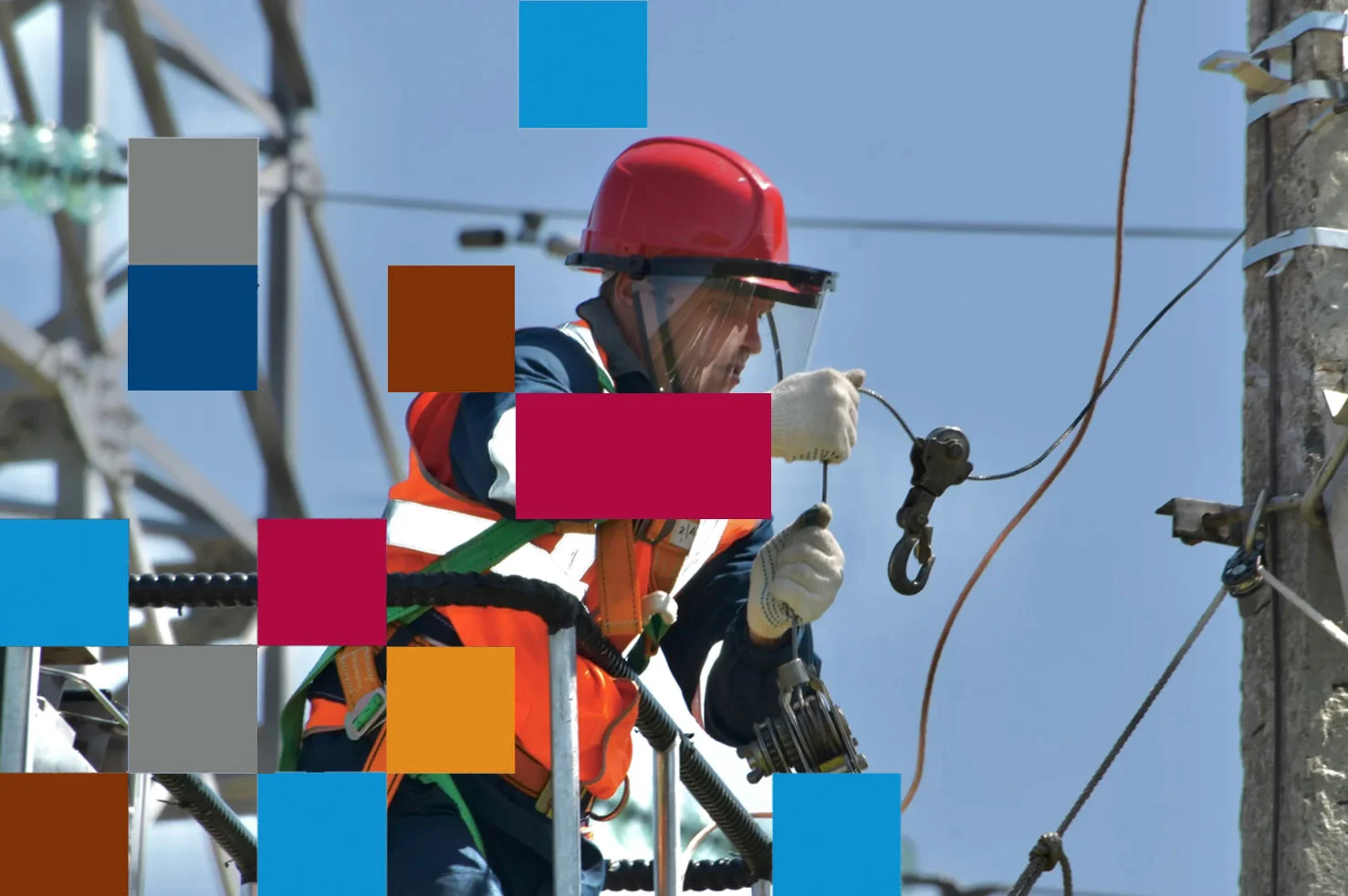
Skilled Trades Progression Without a Degree
Many workers in hands-on skilled trades jobs want to move into senior positions, but are held back by the belief that a degree is required. In reality, most chargehand, foreman, and supervisor roles in Trades and Labour are filled by experienced workers who have built leadership skills on the job.
Whether you’re coming from rigger jobs, mechanical technician jobs, deck crew jobs, welding jobs, or pipefitter jobs offshore, you more likely than not already have the technical foundation employers are looking for. All you need is the right approach to help you step into a supervisory role faster. And it’s not as difficult as you might expect.
Having hands-on experience in these particular fields carries more weight than it would in other areas, such as finance or management, as you already understand the work and experience that onshore and offshore teams are looking for.
This skilled trades recruitment blog gives candidates a practical roadmap for progression, showing how trades careers develop into supervisory roles, the skills supervisors actually need, how trades experience transfers directly into leadership, the certifications that can help, and the small on-the-job steps that prepare workers for further offshore and onshore responsibility.
What Supervisors Really Need: Skills That Trades Already Build
Many candidates underestimate how much their day-to-day experience already prepares them for leadership. In both onshore and offshore settings, successful supervisors are often those who have learned to combine technical competence with steady judgment, qualities built through years on the tools.
Core skills such as safety oversight, task planning, communication, and people coordination lie at the heart of every great supervisor. Common trade roles have their own unique skillsets, for instance:
Rigger Jobs
A rigger who routinely leads complex lifts already exercises safety leadership, ensuring every move is risk-assessed and properly briefed.
Deck Crew Jobs
A member of the deck crew who organises equipment and deck space, demonstrates task planning and spatial awareness - vital when coordinating teams across shifts or vessels.
Mechanical Technician Jobs
Troubleshooting plant issues develops a calm, solution-focused mindset under pressure, precisely the attitude required to guide others through operational challenges.
Employers place high trust in experienced workers in skilled trades jobs because they have proven their ability and reliability in real-world conditions. They understand how decisions made on the job floor impact safety, schedules, team wellbeing and overall production. That lived experience makes them the natural choice for step-up roles when leadership gaps arise.
Supervisory success in skilled trades careers doesn’t come from degrees or formal management titles; it’s built on attitude, consistency, and an uncompromising safety mindset. Employers in the Trades, from maintenance and mechanical roles to lifting and logistics, look for people who lead by example, communicate clearly, and keep their teams safe and productive. For anyone looking to progress into a supervisory path, those habits developed on every shift are already the foundation of effective leadership.
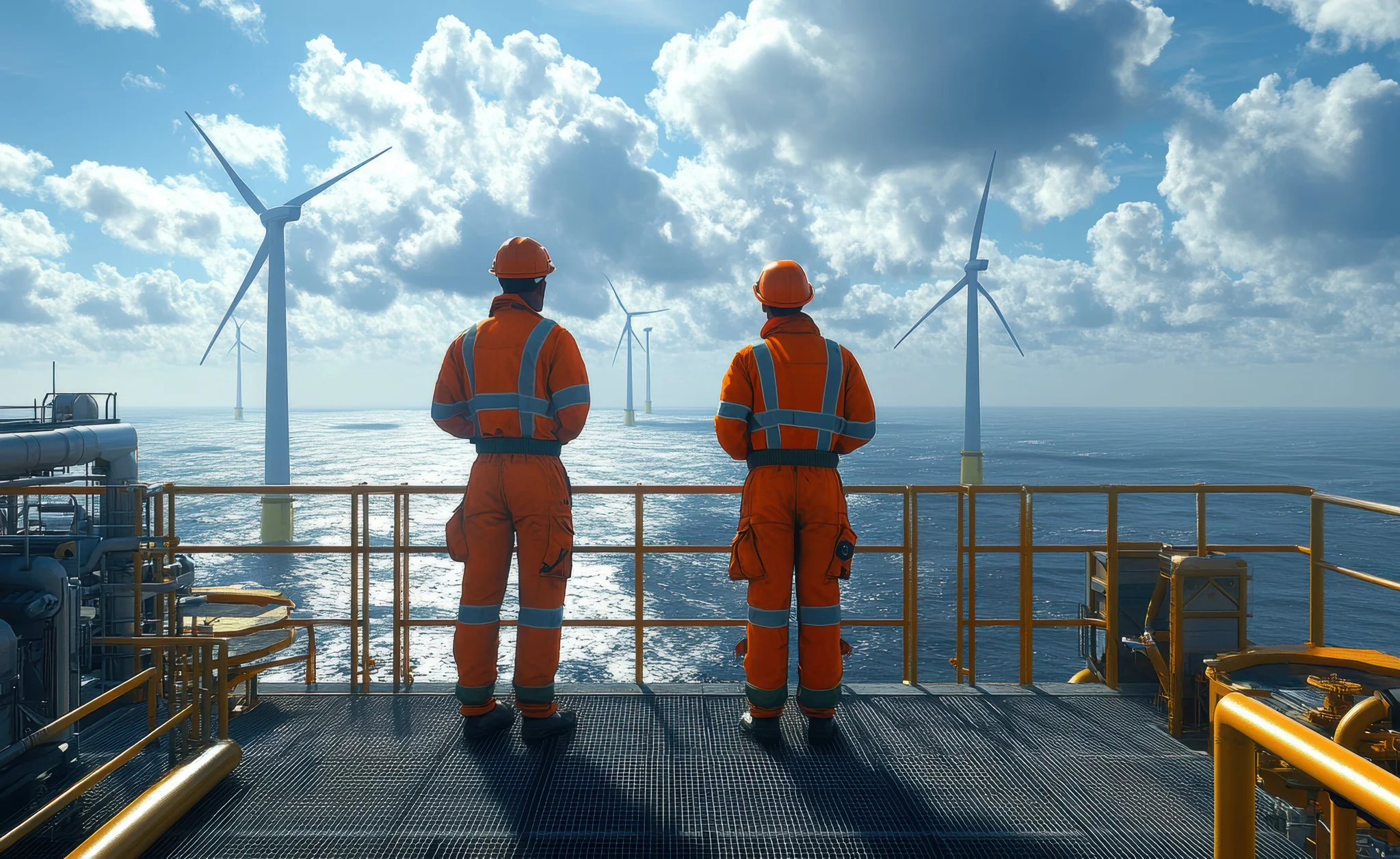
How Trades Experience Transfers into Leadership Roles
Skilled trades jobs often act as a practical leadership academy, where workers learn to guide others by proving they can be trusted in demanding, safety-critical environments. Leadership grows less from job title and more from consistent performance, sound judgment, and the confidence crews place in those who “get the job done right.”
Riggers and deck crew
- Riggers develop leadership by creating and following lifting plans, carrying out risk checks, and coordinating lifts with crane operators and banksmen, which trains them to brief teams and manage shared risk.
- Deck crew learn to lead by organising workloads, sequencing deck activities, and communicating clearly during fast-paced operations so tasks stay safe and on schedule.
Mechanical and Valve Technicians
- Mechanical technicians build leadership capability through structured problem solving, deciding what to fix first, and explaining their reasoning to supervisors and colleagues under time pressure.
- Valve technicians make safety‑critical decisions about isolation, testing and reinstatement, which develops calm judgment, procedural discipline and the confidence to stop the job when something is wrong.
Pipefitters and mentoring
- Offshore pipefitters read drawings, plan welds and spool fits, and sequence work around other trades, which naturally places them in a coordinating, quasi‑supervisory role.
- Experienced pipefitters often mentor juniors on standards and safe habits, translating technical know‑how into coaching skills that are central to trusted front‑line leadership.
Evolving into Chargehands and Foremen
- Across these trades, those who consistently manage risk, solve problems, and support their crews earn trust, and that trust is what unlocks progression into chargehand, rigging supervisor, foreman or maintenance lead positions.
- Career ladders in piping, mechanical, and rigging disciplines explicitly move proven tradespeople into supervisory roles, formalising the leadership responsibilities they have already been exercising on the job.
In summary, whether they realise it or not, workers, while carrying out their tasks, will be soaking up as much information around them from supervisors and managers, and locking it away for later.
Training and Certifications That Help Progression
Skilled tradespeople moving into supervisory offshore jobs stand out when they combine core survival / HSE certificates with leadership, safety, and discipline‑specific qualifications that show they can manage people, risk and work packs, rather than just do the job themselves.
Must‑have offshore basics
For most offshore supervisory paths, the non‑negotiable starting point is the standard offshore access and medical package. Without these, the rest of the CV rarely gets considered. These include:
- OPITO BOSIET / FOET with HUET and CA‑EBS (or regional equivalent such as TBOSIET, GSK/Norwegian Basic Safety).
- Valid offshore medical (OGUK or equivalent recognised by the operator).
- H2S / BA (breathing apparatus) and emergency response training where relevant to the asset and role.
Safety & risk qualifications
Supervisors are held accountable for safe systems of work, so HSE credentials are a strong differentiator even for trade‑based foreman roles.
- NEBOSH International General Certificate (IGC) or national equivalent as a baseline safety qualification for supervisors.
- NEBOSH International Technical Certificate in Oil and Gas Operational Safety for candidates in drilling/production projects.
- Additional HSE courses: risk assessment/JSA, incident investigation (e.g. ICAM / TapRooT awareness), permit‑to‑work coordination and toolbox talk leadership.
Offshore operations & discipline‑specific training
Courses that broaden a tradesperson’s understanding beyond their own toolset help hiring managers see them as future section leaders or construction supervisors.
- Offshore operations / logistics diplomas or certificates covering marine coordination, vessel movements, personnel transfers, and supply chain.
- Discipline add‑ons, such as API inspection certificates (API 510, 570, 653, 1169 etc.) for mechanical / pipe trades who may supervise inspection, maintenance or shutdown scopes.
- Targeted offshore training in construction/commissioning topics: lifting operations (rigging / slinging), dropped‑objects prevention, SIMOPS awareness and hot‑work control.
Leadership, supervision, and audit skills
Stepping into supervisor level is as much about people and process as it is about technical competence.
- Formal supervisor or front‑line leadership training focused on coaching, conflict management, communication and delegation in high‑risk environments.
- Internal / external courses on ISO 45001 auditing or similar, which prepare candidates to handle inspections, contractor assurance and management system compliance.
- Report‑writing, planning and basic project controls (progress tracking, look‑ahead plans) to show readiness for foreman / chargehand progression.
How to prioritise as a candidate
A practical sequence for a skilled tradesperson aiming at offshore supervision is to first secure survival / medical and a core HSE certificate, then layer on discipline and operations-specific training, followed by leadership and audit‑type courses once consistent offshore experience is in place. Tailoring this mix to the target asset (drilling, production, subsea construction, diving, marine support or renewables) gives the strongest signal that the candidate is ready to step up.
Many of these certificates and training will be gained automatically on the job as part of the mandate requirements, but others may need action from yourself to push through individually.
How to Build Leadership Skilled Trades Experience on the Job
Workers can build experience and get noticed for promotion by combining strong technical performance with clear leadership behaviours.
On-the-job behaviours
- Consistently deliver safe, high-quality work, following procedures and hitting deadlines.
- Put your hand up for tougher tasks, shutdowns, night shifts, or problem jobs to show you can cope with pressure and can tackle anything.
- Look after tools, housekeeping and permits; supervisors associate reliability with readiness for responsibility.
Learning and qualifications
- Complete relevant tickets: lifting ops, confined space, welding codes, offshore survival, or HSE courses that supervisors need.
- Ask to shadow supervisors during planning meetings, walkabouts and toolbox talks to learn how they think.
- Keep a simple log of jobs, equipment and competencies to use in promotion discussions.
Leadership signals
- Informally lead small tasks: organising a lift, setting up a welding bay, or mentoring new starters.
- Communicate clearly in handovers and permit meetings; supervisors are noticed for how they brief, not just how they work.
- Tell your line manager you want a future supervisor role and ask what specific behaviours you must show on this site to be considered.
How Orion Supports Skilled Trades Career Progression
Orion Group is a global recruitment specialist with deep roots in sourcing skilled trades for both offshore and onshore projects across energy, engineering and manufacturing. Established in 1987, the company has grown into one of the largest independent, family-owned international recruitment businesses, placing thousands of contractors and permanent staff each year.
Orion Group’s heritage in oil and gas recruitment underpins its ability to connect trades and technical talent to offshore and onshore roles worldwide, while its diversification into other sectors - renewables, power & utilities, construction & infrastructure, manufacturing and life science - provides skilled workers with a range of active projects to consider.
Through dedicated skilled trades recruitment services, Orion Group matches welders, fabricators, electricians, mechanics, technicians, and inspectors with project-critical positions, supported by a global office network, sector-specialist recruiters, and long-term client partnerships that create repeat assignments and career progression opportunities.
If you’re looking to advance your skilled trades skills into a supervisory role, then talk to Orion Group, the recruitment specialists.
FAQs
Skilled trades roles that progress fastest into supervisor jobs are usually those with broad maintenance scope and regular coordination responsibility, such as mechanical technicians, multi‑disciplined technicians and experienced riggers or pipefitters, on busy assets.
What are the fasted routes into supervisor positions?
Mechanical / multi‑skilled technicians often step into maintenance or production supervisor roles because they understand multiple systems and already support planning, permits and isolations.
How can Rigger jobs lead to Trades careers in leadership?
Riggers gain strong foundations in lifting plans, toolbox talks, and coordination with deck foremen, which naturally feed into lead rigger and deck‑foreman roles.
Do Mechanical technician jobs help candidates step into foreman roles?
Offshore mechanical technicians commonly progress to shift team leader, maintenance supervisor, or project foreman after building experience on critical equipment.
How do Deck Crew jobs build leadership experience offshore?
Deck crew roles build leadership by exposing candidates to 24/7 operations, task allocation from the deck foreman, and frequent safety briefings and toolbox talks.
Can I progress from Valve Technician jobs without a degree?
Valve technicians often advance into senior technician, workshop lead, site supervisor, or field service supervisor roles without needing a degree, as progression is driven by experience and competence.
Are Pipefitter jobs offshore good for Trades careers progression?
Offshore pipefitter jobs can be strong foundations for trades progression, with routes into piping foreman, construction supervisor or maintenance lead roles on platforms and vessels.