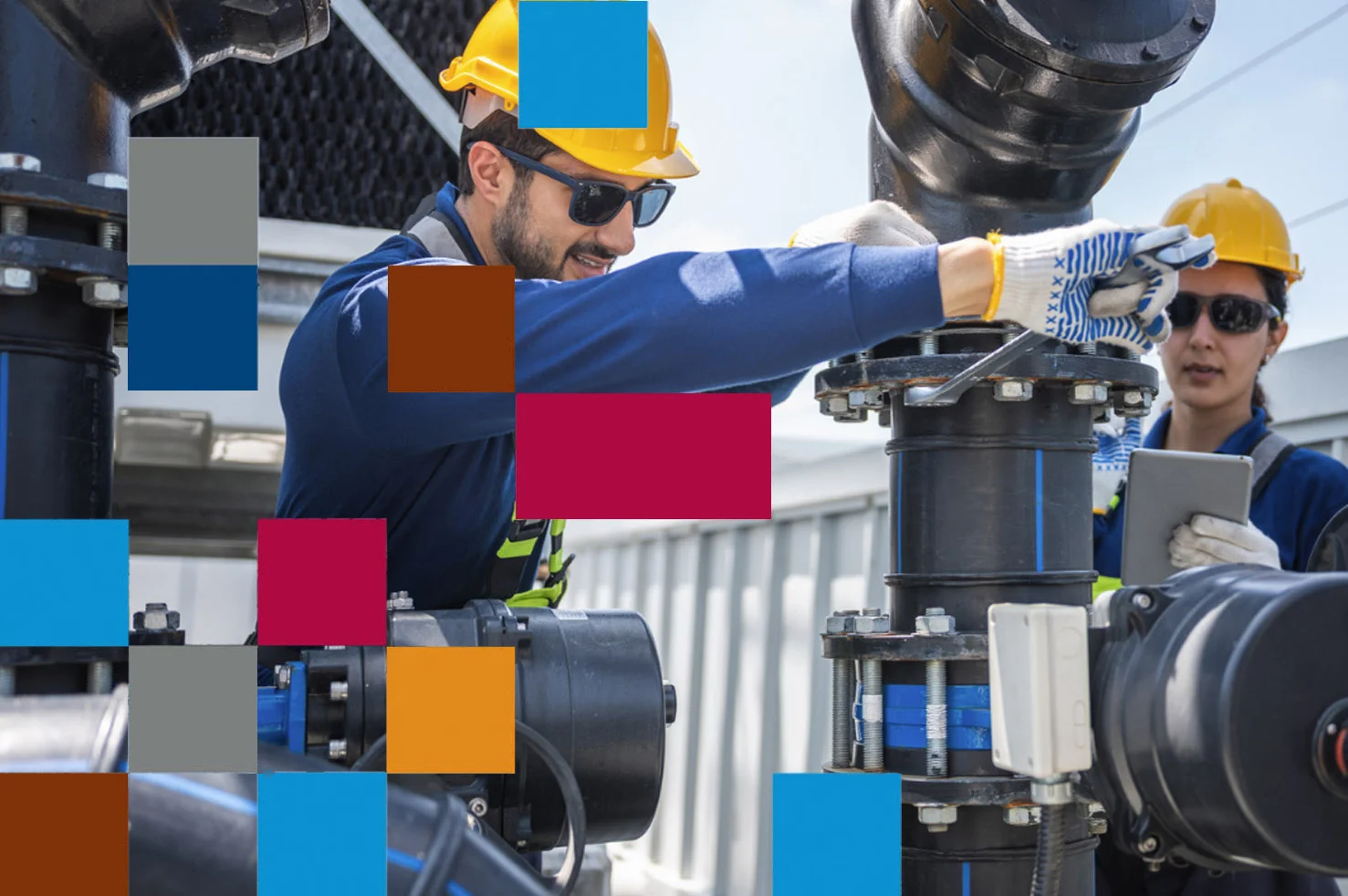
How AI and Data Centres Are Reshaping Midstream Recruitment
14 Jul, 20267 mins

Artificial Intelligence (AI) is transforming industries around the world. From advanced analytics and machine learning to cloud computing and automation, businesses are investing heavily in digital technologies to gain a competitive advantage.
Behind this digital revolution sits an often-overlooked challenge: power.
The rapid growth of AI applications and hyperscale data centres is placing unprecedented demand on energy infrastructure. While much of the conversation focuses on technology, servers and computing capacity, the reality is that none of these facilities can operate without a reliable, continuous supply of electricity.
According to Gartner, global data centre electricity consumption is forecast to reach 565 terawatt-hours (TWh) in 2026, representing a 26% year-on-year increase. Gartner also predicts worldwide data centre power demand will rise from 104 gigawatts (GW) in 2025 to 132GW in 2026, highlighting the growing pressure that AI workloads and hyperscale data centres are placing on global energy infrastructure.
As governments, utilities and technology companies race to meet rising energy demand, natural gas is emerging as a critical part of the solution. This is driving significant investment across pipelines, LNG facilities, gas storage infrastructure and transportation networks, creating new opportunities and challenges for midstream recruitment.
The result is a growing need for experienced engineering, technical, and operational professionals, who can deliver the infrastructure required to support the world's expanding digital economy.
Why Data Centres Are Driving Demand for Midstream Infrastructure
The modern economy runs on data.
Every search query, AI prompt, cloud-based application, video stream, and digital transaction, requires computing power. As organisations increasingly adopt AI technologies, the demand for processing capacity continues to grow at an extraordinary pace.
Hyperscale data centres are being built across North America, Europe, the Middle East and Asia to support this growth. Unlike many industrial facilities, data centres operate 24 hours a day, 365 days a year. They require continuous power supply with virtually no interruptions.
This creates what energy professionals refer to as baseload demand.
Unlike intermittent energy requirements that fluctuate significantly throughout the day, data centres require consistent and reliable electricity generation regardless of weather conditions, seasonal variations, or peak demand periods.
Technology companies are therefore seeking energy solutions capable of providing long-term reliability, scalability, and operational resilience.
While renewable energy remains an important part of the energy mix, natural gas is increasingly being viewed as a practical bridge between growing electricity demand, and longer-term decarbonisation objectives. Natural gas-fired power generation offers several advantages:
- Reliable baseload power generation
- Fast deployment compared to some alternative technologies
- Lower emissions than coal-fired generation
- Flexibility to support grid stability
- Compatibility with growing electricity demand
As a result, investment in digital infrastructure is increasingly driving investment in energy infrastructure. The relationship between data centres and natural gas is becoming one of the defining trends shaping global energy markets.
Why Midstream Recruitment Is Growing
Growing demand for natural gas does not simply require additional power generation. It also requires the infrastructure needed to transport, process, store, and distribute, gas efficiently.
This is where the midstream sector becomes critically important.
Midstream infrastructure connects upstream production assets with downstream consumers. Pipelines, compressor stations, LNG facilities, storage terminals, and transportation networks, all play a vital role in ensuring gas reaches power generation facilities safely and reliably.
As data centre developments accelerate, many regions are seeing increased investment in:
Pipeline Infrastructure
New gas-fired power stations often require additional pipeline capacity to support increased fuel demand.
Pipeline expansion projects are being developed to connect production regions with major population centres and emerging data centre hubs.
These projects require extensive engineering, construction and operational expertise, creating significant demand for pipeline engineer jobs and related technical positions.
LNG Facilities
Liquefied Natural Gas (LNG) continues to play a growing role in global energy security.
LNG provides flexibility for countries and regions seeking to diversify supply sources while meeting increasing power demand. The growth of LNG infrastructure is creating opportunities across:
- Liquefaction facilities
- Regasification terminals
- LNG storage facilities
- Marine transportation
- Export and import projects
This increase in activity is contributing to rising demand for LNG jobs across engineering, operations, maintenance and project delivery disciplines.
Storage and Transportation Networks
Reliable energy supply requires more than production and transportation. Storage facilities help manage fluctuations in demand and provide resilience during periods of peak consumption.
As electricity demand grows, investment in storage infrastructure is becoming increasingly important for both energy security and operational reliability.
Together, these developments are driving sustained growth across the midstream sector and reshaping global recruitment priorities.
The Skills Driving Midstream Recruitment
Infrastructure expansion requires people.
While investment announcements often focus on project values and construction schedules, successful delivery ultimately depends on having access to the right talent.
This is creating strong demand across midstream recruitment markets worldwide.
Pipeline Engineers
Demand for pipeline engineer jobs is being driven by new gas transmission infrastructure, network expansion projects, and investment linked to growing data centre energy demand. Many organisations are struggling to secure experienced professionals, making pipeline engineer jobs a major focus within midstream recruitment programmes.
Pipeline engineer jobs remain among the most sought-after positions across the sector.
These professionals are responsible for:
- Pipeline design and routing
- Integrity management
- Risk assessment
- Regulatory compliance
- Construction support
- Asset optimisation
As pipeline networks expand to support growing energy demand, competition for experienced engineers continues to intensify.
SCADA and Automation Engineers
Modern pipeline and LNG facilities rely heavily on automation and digital control systems.
SCADA engineers play a critical role in monitoring and managing operations across complex infrastructure networks.
Their expertise helps improve efficiency, reliability, and safety, while supporting increasingly sophisticated operational requirements.
Compressor Station Operators
Compressor stations are essential components of gas transportation networks.
Operators are responsible for maintaining safe and efficient operations while ensuring consistent gas flow throughout pipeline systems.
As infrastructure expands, experienced operational personnel remain highly valued.
LNG Specialists
LNG projects require specialised expertise across multiple disciplines.
Demand continues to grow for:
- LNG Process Engineers
- Operations Managers
- Commissioning Specialists
- Maintenance Engineers
- Project Controls Professionals
- HSE Specialists
Many of these roles require experience gained through previous LNG projects, making skilled professionals particularly difficult to source.
Project Delivery Professionals
Major infrastructure projects require experienced leaders capable of managing large-scale engineering and construction programmes.
Project managers, construction managers, planners, cost engineers, and commissioning specialists, are increasingly in demand as investment levels continue to rise.
How LNG Projects Are Driving Midstream Recruitment
Liquefied Natural Gas (LNG) is playing an increasingly important role in meeting rising global energy demand. As governments, utilities, and energy providers, seek reliable and flexible energy solutions, investment in LNG infrastructure continues to accelerate across North America, Europe, the Middle East and Asia-Pacific.
New liquefaction facilities, regasification terminals, storage assets, and export projects, are creating significant demand for specialist talent. As a result, LNG projects are becoming a major driver of midstream recruitment activity worldwide.
The growth of LNG infrastructure is creating opportunities across a wide range of disciplines, including engineering, operations, maintenance, commissioning and project delivery. Demand for LNG jobs is particularly strong for process engineers, operations managers, commissioning specialists, project controls professionals, and HSE experts, with previous LNG project experience.
Many organisations are competing for a limited pool of experienced professionals, making LNG jobs some of the most sought-after positions within the energy sector. This competition is increasing the importance of strategic midstream recruitment, particularly for employers delivering large-scale infrastructure projects on tight schedules.
As global energy demand continues to grow, LNG investment is expected to remain a key contributor to both infrastructure development and long-term midstream recruitment demand.
The Workforce Challenges Facing Energy Projects
While investment in infrastructure is growing, talent availability remains a significant concern.
Many organisations are competing for the same pool of experienced professionals.
Several factors are contributing to this challenge:
An Ageing Workforce
A substantial proportion of the industry's most experienced professionals are approaching retirement.
This is creating knowledge transfer challenges across many organisations.
Replacing decades of operational expertise is rarely straightforward.
Competition Across Energy Sectors
The skills required for midstream projects are often transferable across multiple sectors.
Professionals with expertise in automation, engineering, project delivery, and operations, are also being recruited by:
- Renewable energy developers
- Utilities
- Manufacturing companies
- Infrastructure projects
- Defence organisations
This competition places additional pressure on hiring strategies.
Accelerated Project Timelines
Many energy infrastructure projects are being developed to support immediate demand growth.
Companies often need to mobilise teams quickly while maintaining safety, quality, and compliance standards.
This places increased emphasis on effective engineering recruitment, workforce planning, and specialist midstream recruitment strategies, capable of securing talent within highly competitive markets.
Global Mobility Challenges
Large-scale projects frequently require internationally mobile talent.
Managing visas, compliance requirements, taxation considerations, and mobilisation logistics, can add further complexity to recruitment efforts. As investment in pipelines, LNG facilities, and energy infrastructure projects, increases across multiple regions, employers are often required to source specialist talent internationally to fill critical skills gaps. This can extend hiring timelines and place additional pressure on workforce planning and project delivery.
For organisations managing complex international hiring requirements, our Global Mobility Services help streamline relocation, immigration, compliance, and workforce mobilisation, ensuring specialist talent can be deployed efficiently across global project locations.

How Data Centres Are Reshaping Oil and Gas Recruitment
Historically, technology companies and oil and gas companies operated in largely separate markets.
Today, those industries are becoming increasingly interconnected.
Every new hyperscale data centre development creates demand for reliable energy infrastructure.
That demand ultimately creates opportunities across natural gas production, transportation, and processing networks.
As a result, oil and gas recruitment is increasingly influenced by decisions made within the technology sector. Growing investment in AI infrastructure, hyperscale data centres, and natural gas-fired power generation, is creating new opportunities for oil and gas recruitment teams supporting midstream and LNG projects.
The connection between AI growth and energy demand is creating a new wave of long-term infrastructure investment.
For oil and gas recruiters, this represents a significant shift in hiring activity.
Many recruitment projects that appear unrelated to technology are, in reality, being driven by the need to support digital infrastructure growth.
Pipeline expansions, LNG developments, and gas-fired generation projects, are increasingly linked to broader digital economy investment strategies.
This trend is expected to continue for many years. As AI adoption expands globally, demand for reliable power generation and associated infrastructure is likely to remain strong. That creates long-term opportunities for both employers and professionals operating within the midstream sector.
The Future of Midstream Recruitment
The rapid growth of AI and hyperscale data centres is creating a ripple effect throughout global energy markets.
As technology companies seek reliable power sources, investment in natural gas infrastructure continues to accelerate. Pipelines, LNG facilities, storage assets, and transportation networks, are becoming increasingly important to both energy security and economic growth.
For employers, this creates an urgent need for experienced engineering and operational talent.
For professionals, it creates exciting career opportunities across some of the world's most significant infrastructure projects.
The connection between digital infrastructure and energy infrastructure is only becoming stronger.
As a result, midstream recruitment will remain a critical priority for organisations seeking to meet the energy demands of an increasingly digital world. Demand for pipeline engineer jobs, LNG jobs and specialist engineering recruitment expertise is expected to grow, as investment in energy infrastructure continues to accelerate.
How Orion Supports Midstream and LNG Recruitment
As investment accelerates across pipelines, LNG facilities, and energy infrastructure projects, securing the right talent becomes increasingly important.
Orion Group has extensive experience supporting clients across global midstream recruitment, oil and gas recruitment and engineering recruitment markets. Our teams work with operators, EPC contractors, infrastructure developers, and energy companies, to deliver specialist workforce solutions across:
- Pipeline projects
- LNG facilities
- Gas processing plants
- Storage infrastructure
- Transportation networks
- Power generation projects
We understand the technical, operational, and commercial challenges associated with large-scale energy infrastructure projects. Our expertise spans permanent recruitment, contract staffing, project mobilisation, and workforce management solutions.
Whether clients require pipeline engineers, LNG specialists, automation professionals, project managers or operational personnel, Orion provides access to experienced talent capable of delivering complex projects safely and efficiently.
As technology continues to develop and grow, there is still a high demand for oil and gas jobs as operators look to bring in new technology.
For employers, taking advantage of digital technology, the power needed to run it, as well as the talent to manage and develop it, brings it's own challenges. Please contact us to discuss your recruitment requirements.
As demand continues to grow across global energy markets, our ability to connect organisations with specialist talent helps ensure critical infrastructure projects remain on schedule, and fully resourced.
FAQs About Midstream Recruitment
What is midstream recruitment?
Midstream recruitment focuses on sourcing engineering, technical, operational, and project professionals, involved in the transportation, storage and processing, of oil and natural gas. This includes pipeline infrastructure, LNG facilities, compressor stations, terminals, and associated energy assets.
Why are data centres increasing natural gas demand?
Data centres require continuous, reliable electricity to support computing operations. As AI adoption grows, electricity demand is increasing significantly. Natural gas is often used to provide dependable baseload power generation, helping meet this growing demand while supporting grid reliability.
What pipeline engineer jobs are in demand?
Organisations are actively recruiting pipeline design engineers, integrity engineers, project engineers, construction engineers and asset management specialists. Demand is particularly strong across new infrastructure developments and network expansion projects.
What skills are needed for midstream infrastructure projects?
Key skills include pipeline engineering, LNG operations, SCADA systems, automation, project management, commissioning, HSE leadership, mechanical engineering, electrical engineering, instrumentation and operational expertise, across gas transportation and processing facilities.
What LNG jobs are currently in demand?
Demand for LNG jobs continues to grow across liquefaction facilities, regasification terminals and export projects. Employers are actively recruiting LNG process engineers, operations managers, commissioning specialists, maintenance engineers, and project delivery professionals, to support expanding LNG infrastructure worldwide.
How are AI data centres driving midstream recruitment?
AI data centres require large amounts of reliable electricity to support continuous computing operations. As energy demand increases, investment in pipelines, LNG facilities, gas storage, and transportation infrastructure, is also growing. This is creating demand for engineering, operational and technical professionals, driving growth in midstream recruitment across global energy markets.