Can an Electrician Become an Electrical Engineer?
09 Oct, 2026




Liquefied Natural Gas (LNG) has emerged as one of the fastest-growing segments of the global energy industry, with major LNG projects driving sustained demand for engineering expertise across the entire project lifecycle. Record levels of LNG investment and accelerating LNG developments are creating engineering opportunities across feasibility studies, front-end engineering design (FEED), construction, commissioning and operations, reinforcing LNG's role as a key driver of global energy infrastructure.
Data from the IEA shows that in 2025, global LNG trade reached a record 437 million tonnes, while investment in new supply climbed to its highest level in six years. Final investment decisions (FIDs) were taken on 68.4 million tonnes per annum of new liquefaction capacity - the strongest year for approvals since 2019. Between 2025 and 2030, almost 295 billion cubic metres per year of new export capacity is expected to come online from projects already sanctioned or under construction, representing the largest expansion in LNG history.
Long-term demand is being supported by rising gas consumption in Asia, and Europe's efforts to strengthen energy security and diversify supply. Governments and utilities continue to view LNG as both a transition fuel and a strategic energy asset, leading to long-term supply agreements and continued LNG investment in new import terminals.
This is creating substantial engineering opportunities across feasibility studies, FEED, detailed design, construction and commissioning of liquefaction plants, storage tanks, marine facilities, and supporting infrastructure.
North America is expected to more than double its LNG export capacity between 2024 and 2029, driven by major U.S. Gulf Coast LNG developments. Globally, almost 300 new liquefaction and regasification facilities are scheduled to begin operations between 2026 and 2030. With typical project lead times of five to ten years and a large backlog of sanctioned developments, LNG projects are set to sustain a multi-year recruitment cycle, providing a reliable pipeline of engineering jobs for consultancies, EPC contractors and operating companies, worldwide.
To back up this evidence, this article explores some of the world's biggest LNG projects and the engineering jobs they are creating. Rather than simply listing projects, it examines how global LNG investment is shaping hiring demand, and what it means for engineering professionals looking to progress their careers.
The world's largest LNG projects are creating sustained demand for engineering professionals throughout every stage of the project lifecycle. From FEED and EPC through to commissioning and operations, these developments are generating engineering jobs across multiple disciplines, while shaping recruitment activity throughout the global energy industry.
Under construction, with phased production starting from 2026 and continuing through the decade. Qatar is expanding LNG capacity from 77 MTPA to 142 MTPA by 2030.
One of the world's largest LNG developments and one of the most significant LNG projects currently under construction, including multiple liquefaction trains, offshore platforms, pipelines, utilities, storage tanks, carbon capture facilities, and extensive EPC packages.
Process engineers, mechanical engineers, piping engineers, civil and structural engineers, electrical & instrumentation engineers, project controls, HSE professionals, commissioning engineers, QA/QC inspectors, operations readiness teams, construction managers, skilled trades.
Late-stage construction and commissioning, with production expected to ramp up following completion of construction.
One of the largest LNG projects under construction in the United States, the approximately 18 MTPA export terminal comprises three liquefaction trains, marine facilities, storage tanks and supporting infrastructure. Recruitment is increasingly focused on commissioning and operational readiness.
Commissioning engineers, LNG process engineers, control systems engineers, rotating equipment specialists, operations technicians, maintenance planners, reliability engineers, instrumentation engineers, electrical engineers, and operations leadership.
LNG production has commenced while additional phases and expansion activities continue. Further expansion work is progressing through regulatory approvals.
One of North America's largest LNG projects, comprising multiple liquefaction blocks, marine loading facilities, pipelines, and ongoing expansion works.
Construction managers, commissioning specialists, process engineers, mechanical engineers, instrumentation & control engineers, project engineers, welding inspectors, HSE managers, maintenance engineers, and operations personnel.
Major Mozambique LNG onshore development remains on hold pending security conditions, although preparations for restart continue. At the same time, offshore (Floating Liquified Natural Gas (FLNG) developments such as Coral North have moved into EPC execution.
One of Africa's most strategically important LNG developments, combining large-scale upstream gas development, offshore subsea systems, pipelines, LNG processing facilities, and export infrastructure.
Subsea engineers, offshore construction engineers, pipeline engineers, marine specialists, civil engineers, security and logistics professionals, commissioning engineers, process engineers, HSE specialists, and project management teams.
Construction progressing towards commissioning.
One of the largest LNG projects in Canada, combining a major export terminal with marine works, pipelines, utilities, and supporting infrastructure.
Structural engineers, pipeline engineers, process engineers, commissioning engineers, marine construction specialists, environmental professionals, and operations readiness teams.
As LNG projects transition from engineering into construction, commissioning and operations, demand shifts accordingly. While early-stage developments typically require design and project engineering expertise, later phases create greater demand for commissioning specialists, operations readiness teams, and long-term operational support. Understanding where a project sits in its lifecycle can help engineering professionals identify emerging opportunities, and enable employers to plan workforce requirements more effectively.
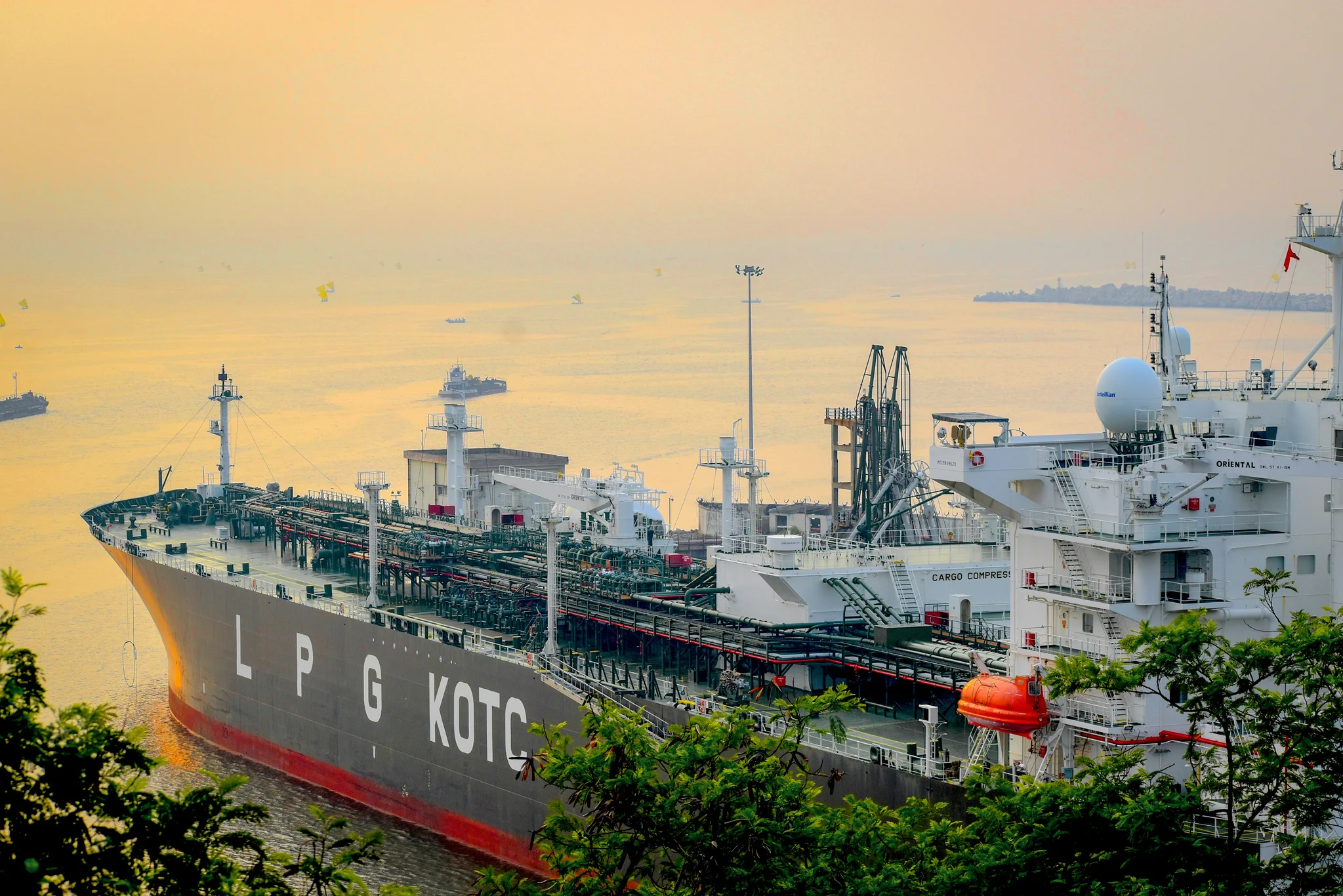
Rising LNG investment, a limited pool of experienced professionals, and increasing international competition for specialist skills, are making recruitment more challenging across the global energy sector. As major LNG projects progress simultaneously across multiple regions, employers are competing for engineers with proven experience in designing, constructing, commissioning, and operating, complex LNG facilities. This growing demand is creating opportunities for experienced professionals, while making it increasingly important for organisations to adopt long-term workforce planning strategies.
A growing number of LNG export terminals, import facilities, floating LNG (FLNG) developments, and plant expansions, are progressing at the same time. This has significantly increased demand for engineering jobs across process, mechanical, electrical, instrumentation, civil, and project engineering, disciplines. With multiple operators and EPC contractors recruiting simultaneously, competition for experienced professionals has intensified, leading to longer recruitment timeframes and upward pressure on salaries.
Experienced LNG engineers have always been highly mobile, relocating internationally to support major projects as they progress through different phases. Employers are therefore competing in a global talent market rather than within local labour markets. Competitive remuneration, career development opportunities, flexible working arrangements, and relocation support, have become increasingly important when attracting and retaining specialist engineering talent.
LNG facilities require expertise in liquefaction technology, cryogenic systems, LNG storage, logistics, and commissioning. As a result, employers typically prioritise candidates with previous LNG project experience who can contribute from day one with minimal training. While recruiting experienced professionals often requires greater investment, hiring less experienced engineers may reduce short-term costs, but can extend mobilisation and development timelines before they become fully effective on complex LNG projects.
Major LNG projects are no longer competing solely with one another for engineering talent. Renewable energy, hydrogen, carbon capture, petrochemicals and traditional oil and gas projects are all recruiting from the same specialist talent pool. As investment in global energy infrastructure continues to increase, experienced engineers have greater choice between LNG jobs, oil and gas jobs and wider energy opportunities, further intensifying competition across the market.
The project-based nature of LNG developments continues to drive demand for contract engineers, with many professionals attracted by competitive rates, international mobility, and greater flexibility. While this supports workforce agility for major projects, it can also reduce the availability of experienced professionals for permanent positions, particularly during peak construction and commissioning phases.
The combination of simultaneous LNG projects, increasing international mobility, demand for specialist expertise, competition from adjacent energy sectors, and continued growth in contract recruitment, has created an increasingly competitive market for engineering talent. Organisations that invest in workforce planning, offer compelling career opportunities, and engage specialist recruitment partners, are better positioned to secure the experienced professionals needed to deliver complex LNG projects successfully.
The increasing competition for LNG engineering talent presents both challenges and opportunities for employers and engineering professionals. As major LNG projects continue to progress worldwide, organisations must compete for an increasingly limited pool of experienced specialists, while professionals are benefiting from growing demand across the global energy sector.
Employers must take a more proactive approach to recruitment by planning workforce requirements earlier, building specialist talent pipelines, and partnering with experienced recruitment agencies that understand the LNG sector. Where local talent is limited, international recruitment can provide access to experienced professionals with the technical expertise required to deliver complex LNG projects safely, efficiently, and on schedule.
For engineering professionals, the market offers strong long-term career prospects. Experienced LNG engineers remain in high demand and can benefit from a growing range of international opportunities, competitive remuneration, and the opportunity to contribute to some of the world's largest and most technically complex energy developments. Many professionals are also finding opportunities across LNG jobs, engineering jobs and wider oil and gas jobs, as investment continues across the global energy market.
As LNG investment continues alongside broader investment in energy infrastructure, engineers with specialist expertise are well positioned to develop their careers across diverse projects, technologies, and international markets.
With decades of experience supporting some of the world's largest energy projects, Orion Group understands the LNG recruitment challenges facing organisations operating across the LNG, oil, and gas, sectors. As competition for experienced engineering professionals continues to increase, securing the right talent at the right time has become a critical factor in project success.
We provide specialist recruitment solutions across the entire hiring lifecycle, from workforce planning and talent mapping to candidate sourcing, mobilisation, and ongoing contractor support. Our expertise spans LNG and oil and gas recruitment, helping clients build high-performing teams across every stage of major LNG projects.
By combining deep regional market knowledge with access to a global talent network, we connect organisations with experienced professionals across engineering, construction, commissioning, operations, and project management. Whether supporting a single critical hire or delivering large-scale workforce solutions, our approach is tailored to the specific requirements of each project.
Our focus is on reducing recruitment risk, improving hiring efficiency, and helping clients secure the specialist expertise needed to keep complex LNG projects on schedule, and delivering successful outcomes for all stakeholders.
As competition for skilled professionals continues to grow, organisations that plan their workforce requirements early and partner with an experienced recruitment specialist, are better positioned to secure the talent needed to deliver major LNG projects successfully.
As LNG developments across the world continue to progress, demand for experienced engineers, project specialists, and technical professionals, is growing rapidly.
If you are interested in opportunities on major LNG projects across North America, the Middle East, Mozambique and other global locations, Orion Group's recruitment specialists can help you take the next step in your career.
For energy operators and contractors developing large-scale projects, Orion provides global workforce solutions covering recruitment, mobilisation, compliance, and contractor support.
Get in touch with our team today to discuss your search requirements, or explore the latest engineering jobs and energy employment opportunities, worldwide.
Need to hire? Contact our oil and gas recruitment team to discuss your LNG recruitment needs.
Looking for your next LNG role? Search our latest opportunities.
Process, mechanical, electrical, instrumentation, piping, civil and structural engineers are among the most in-demand disciplines on major LNG projects. Demand varies according to the project lifecycle, with FEED and detailed design requiring specialist engineering expertise, while construction, commissioning and operations create additional demand for project controls, HSE professionals, commissioning engineers, operations readiness teams and maintenance specialists.
The United States, Qatar, Canada and Mozambique are leading global LNG developments. These countries are driving record levels of LNG investment through major export terminal expansions and new liquefaction capacity, helping to meet growing global energy demand over the coming decade.
Experience on LNG projects is highly valued because it enables engineers to contribute quickly to complex, safety-critical facilities with minimal onboarding. Employers typically prioritise professionals with experience in liquefaction technology, cryogenic systems, commissioning, and operations, helping to reduce project risk and mobilisation time.
Specialist recruitment partners support LNG projects by providing access to experienced engineering talent, global talent networks and sector-specific market expertise. They also assist with workforce planning, mobilisation and long-term hiring strategies, helping operators and contractors secure the skills needed to deliver major LNG projects successfully.
LNG projects often offer opportunities to work on some of the most technically complex roles within the energy sector, but many of the skills developed are transferable across wider oil and gas jobs. Engineers with experience in process, mechanical, electrical, instrumentation and project engineering are often well positioned to move between LNG, upstream, downstream and other energy infrastructure projects as market demand evolves.