Can an Electrician Become an Electrical Engineer?
09 Oct, 2026



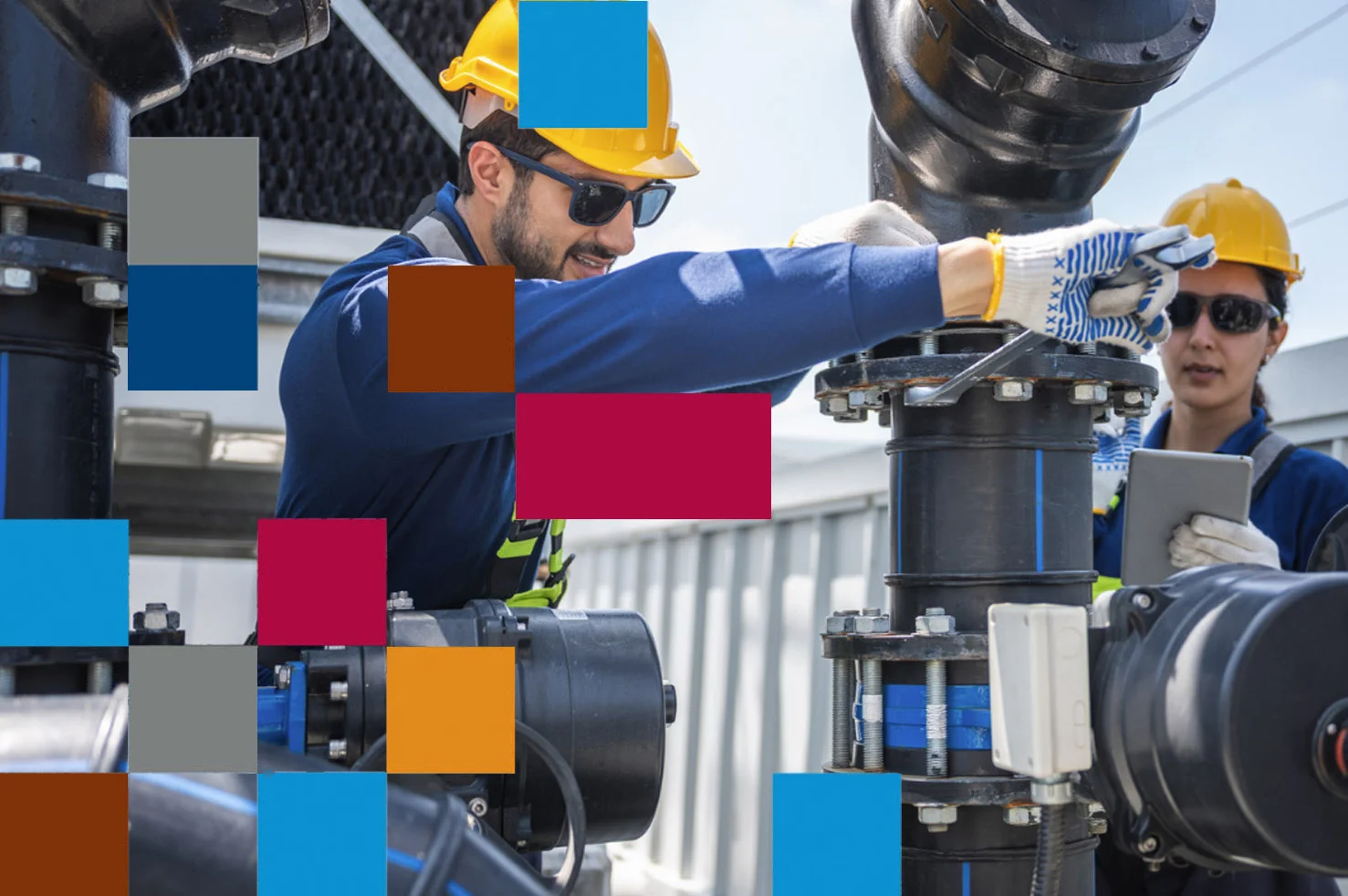
Process engineers are fundamental to the delivery of major energy projects. From developing process designs and optimising facilities to solving complex technical problems and supporting commissioning and operations, they sit at the heart of many of the industry's most important projects.
Yet for employers, finding the right people for process engineer jobs is becoming increasingly challenging. As investment continues across oil and gas, LNG, petrochemicals and wider energy infrastructure, demand for experienced professionals continues to grow.
For organisations planning major projects, this means process engineering recruitment needs to become more proactive.
Process engineering has always been an important discipline within the energy sector, but the breadth and complexity of today's projects are creating demand for process engineering jobs across multiple areas.
Oil and gas developments continue to require process engineering expertise, while LNG infrastructure, downstream facilities, decarbonisation projects and new energy developments are creating additional requirements.
Process engineers can be involved throughout the project lifecycle, including:
That breadth makes the discipline particularly valuable.
The same professional may be able to contribute to several stages of a project, but employers are often looking for specific experience depending on the facility, technology and project phase.
Energy projects are also becoming more technically interconnected.
LNG facilities, offshore developments, gas processing plants and integrated energy projects can involve complex interfaces between process systems, mechanical equipment, utilities, electrical systems, instrumentation and control.
Process engineers need to understand these interfaces and recognise how decisions in one area can affect the wider facility.
That makes experienced professionals particularly valuable.
Process engineering is also increasingly connected to efficiency and emissions reduction.
Operators and project developers are looking for ways to improve energy efficiency, optimise processes, reduce emissions and make better use of existing infrastructure.
This creates opportunities for process engineers who can combine traditional process design expertise with an understanding of efficiency, optimisation and emerging technologies.
The result is a discipline that remains highly relevant across both established and evolving parts of the energy industry.
The challenge of process engineering recruitment becomes clearer when you look beyond the job title.
An employer may find candidates who describe themselves as process engineers. Finding someone with the specific experience required for a particular project can be considerably harder.
Experienced process engineers are attractive to multiple employers.
A senior professional with experience on major LNG, offshore, refining or gas processing projects may be approached by operators, EPC contractors, engineering consultancies and specialist project organisations.
That means employers aren't simply competing with organisations delivering similar projects.
They may be competing with a much wider part of the energy industry for the same technical talent.
Process engineering expertise cannot be developed overnight.
A graduate engineer can build a strong technical foundation relatively quickly, but the experience required to lead complex process engineering activities comes from working on projects, understanding different facilities and dealing with real-world technical challenges.
For employers, this creates an obvious problem.
When a project requires a senior process engineer with specific experience, increasing the number of entry-level candidates in the market doesn't immediately solve the requirement.
The experience itself takes time to develop.
Like many engineering disciplines, process engineering has an experienced workforce carrying decades of valuable technical knowledge.
As experienced professionals retire or move away from traditional energy roles, organisations face the challenge of replacing both the individual and the knowledge they have accumulated.
That makes succession planning increasingly important.
Organisations need to consider not only who can fill a position today, but how they will develop and retain the next generation of process engineering talent.
The competition is also increasingly international.
Experienced process engineers can work across multiple energy markets, and major projects often attract candidates from around the world.
For employers, this can broaden the potential talent pool, but it also means competing internationally for people who are willing and able to relocate.
International engineering recruitment can therefore provide a solution, but it needs to be approached strategically.
Requirements vary by seniority, sector, and project type, but employers typically look for a combination of technical capability, relevant project experience, and interpersonal skills.
Career level | Technical experience | Project experience | Wider skills |
|---|---|---|---|
Junior Process Engineer | Process fundamentals, engineering calculations, design tools | Exposure to engineering projects | Communication, teamwork, willingness to learn |
Mid-Level Process Engineer | Process design, modelling, technical documentation | FEED, detailed engineering or project delivery | Problem solving, stakeholder management |
Senior Process Engineer | Advanced process engineering and technical leadership | Major projects, complex facilities | Decision making, mentoring, communication |
Lead/Principal Process Engineer | Technical authority and design leadership | Major EPC or operator projects | Leadership, client management, risk and technical assurance |
Depending on the project, employers may look for experience across areas such as:
Software knowledge can also be important, with experience in relevant process modelling and engineering tools often forming part of the selection criteria.
Technical qualifications alone rarely tell the whole story.
Employers often need someone who understands the particular challenges of their project.
Experience in LNG, upstream, downstream, refining, petrochemicals or other process-intensive environments can therefore be particularly valuable depending on the requirement.
The scale of previous projects can matter too.
Someone who has worked on a major international EPC project may have experience dealing with complex interfaces, multiple stakeholders and large multidisciplinary teams that isn't necessarily gained through smaller projects.
Process engineers don't work in isolation.
They interact with mechanical, electrical, instrumentation, project controls, construction, commissioning and operations teams, as well as clients and other stakeholders.
The ability to explain technical issues clearly and work collaboratively is therefore increasingly important, particularly at senior level.
Perhaps one of the most valuable qualities is the ability to solve problems.
Projects rarely progress exactly as planned. Process engineers may need to respond to technical challenges, changing requirements, equipment constraints or operational considerations.
Employers therefore need professionals who can apply engineering knowledge to real-world situations rather than simply follow established processes.
One of the biggest mistakes employers can make is defining a process engineering requirement too narrowly.
A job description might list ten technical requirements, but the ideal candidate may not have every single one.
For example, a process engineer with extensive LNG experience may not have worked on precisely the same facility configuration as the employer, but may have highly transferable experience from another gas processing environment.
Similarly, someone from offshore oil and gas may have technical and project experience that transfers effectively into another part of the energy sector.
This is where specialist engineering recruitment in the oil and gas industry adds value.
Understanding the difference between a genuine essential requirement and a desirable skill can significantly expand the available talent pool without compromising technical standards.
Securing experienced process engineers often requires a more proactive approach than simply advertising vacancies. Employers can strengthen their recruitment strategy by planning ahead and understanding where specialist talent is available.
Identifying process engineering recruitment requirements alongside project planning gives employers more time to source senior and specialist professionals before skills become critical.
Talent mapping can provide a clearer picture of where experienced process engineers are located, what projects they are working on and when they may become available.
Suitable candidates may not be available when new process engineer jobs arise. Building relationships with experienced professionals in advance can reduce the need to start the search from scratch for every requirement.
Contract engineering recruitment can provide access to specialist expertise during FEED, construction, commissioning and other periods of peak activity, while giving employers greater workforce flexibility.
Experienced process engineers often have multiple opportunities, so salary or day rate may be only part of their decision. Other considerations can include:
Clearly communicating what makes a project and opportunity attractive can help employers compete for experienced talent.
When process engineering recruitment becomes challenging, working with a specialist engineering recruitment agency can give employers access to a wider talent pool and a better understanding of the market.
Specialist engineering recruitment can support employers with:
At Orion, we understand that successful process engineering recruitment requires more than searching for CVs containing the words "process engineer".
Our specialist teams work across the international energy sector, supporting clients with permanent and contract oil and gas recruitment across a wide range of process engineering jobs and other engineering disciplines.
We understand the project environments in which process engineers operate and the importance of matching technical experience with the actual requirements of a role.
Our international engineering recruitment capability also enables us to look beyond individual local markets when specialist expertise is difficult to source.
Whether an organisation needs a process engineer for FEED, a senior process engineer for a major EPC project or a specialist consultant for a defined project phase, we can support the search from initial requirement through to candidate placement.
For clients, that means combining sector expertise, technical understanding and access to an international talent network.
If you're struggling to find the process engineering expertise your project requires, Orion can help.
Our specialist oil and gas recruitment teams connect employers with process engineers and wider engineering professionals across international energy markets, supporting both permanent and contract requirements.
Whether you're preparing for a major EPC project, expanding an engineering team or looking for specialist process expertise for a defined project phase, our consultants can help you understand the market and identify the right talent.
Don't wait until a critical process engineering position becomes a project constraint. Speak to Orion's specialist engineering recruitment team today and start building your talent pipeline.
Looking for Process Engineers for you next project, then Contact us now
Process engineers are involved in the design, optimisation and operation of many complex energy facilities. Continued investment in oil and gas, LNG, gas processing and wider energy infrastructure creates demand for professionals with specialist process engineering expertise.
Process engineers are employed across oil and gas, LNG, petrochemicals, refining, chemicals, energy and other process-intensive industries. Their skills can also transfer into areas such as energy efficiency, decarbonisation and emerging energy technologies.
Employers typically look for technical process engineering expertise, relevant project and industry experience, process modelling and engineering software knowledge, process safety awareness, problem-solving ability and strong communication skills.
Employers can improve their ability to attract experienced professionals through early workforce planning, proactive talent mapping, strong candidate engagement and a clear employer value proposition. Considering both permanent and contract recruitment can also increase access to specialist talent.
A specialist engineering recruitment agency helps organisations identify, attract and recruit technical professionals. This can include permanent and contract recruitment, access to passive candidates, international talent sourcing, market intelligence and support with workforce planning.