Oil and Gas Recruitment: Upstream vs Downstream Hiring
07 Apr, 20268 Minutes
Oil and gas recruitment spans multiple operational environments and is not one single hiring market. It is a collection of distinct hiring environments shaped by exploration risk, infrastructure demands, regulatory frameworks and operational timelines.
An upstream drilling contractor does not hire in the same way as a midstream pipeline operator. A refinery managing a shutdown does not face the same workforce pressures as an offshore exploration project. Yet many companies apply a uniform recruitment approach across the entire supply chain.
The result is slow hiring cycles, skills mismatches and avoidable turnover.
Understanding the differences between upstream, midstream, and downstream operations is essential for building an effective oil and gas recruitment strategy. From offshore recruitment for remote drilling campaigns to permanent engineering roles in refineries, the nature of oil field jobs varies significantly depending on where a business sits within the value chain.
For hiring managers responsible for oil and gas jobs, tailoring recruitment strategy to operational reality is the difference between reactive hiring and workforce stability.
Key differences in oil and gas recruitment include:
- Contract-heavy offshore jobs in upstream
- Infrastructure-led permanent hiring in midstream
- Dual permanent and shutdown staffing in downstream
Why Oil and Gas Recruitment Differs Across the Supply Chain
The oil and gas industry spans exploration, production, transportation, refining and distribution. Each stage of this process requires different technical skills, contract models and workforce planning approaches.
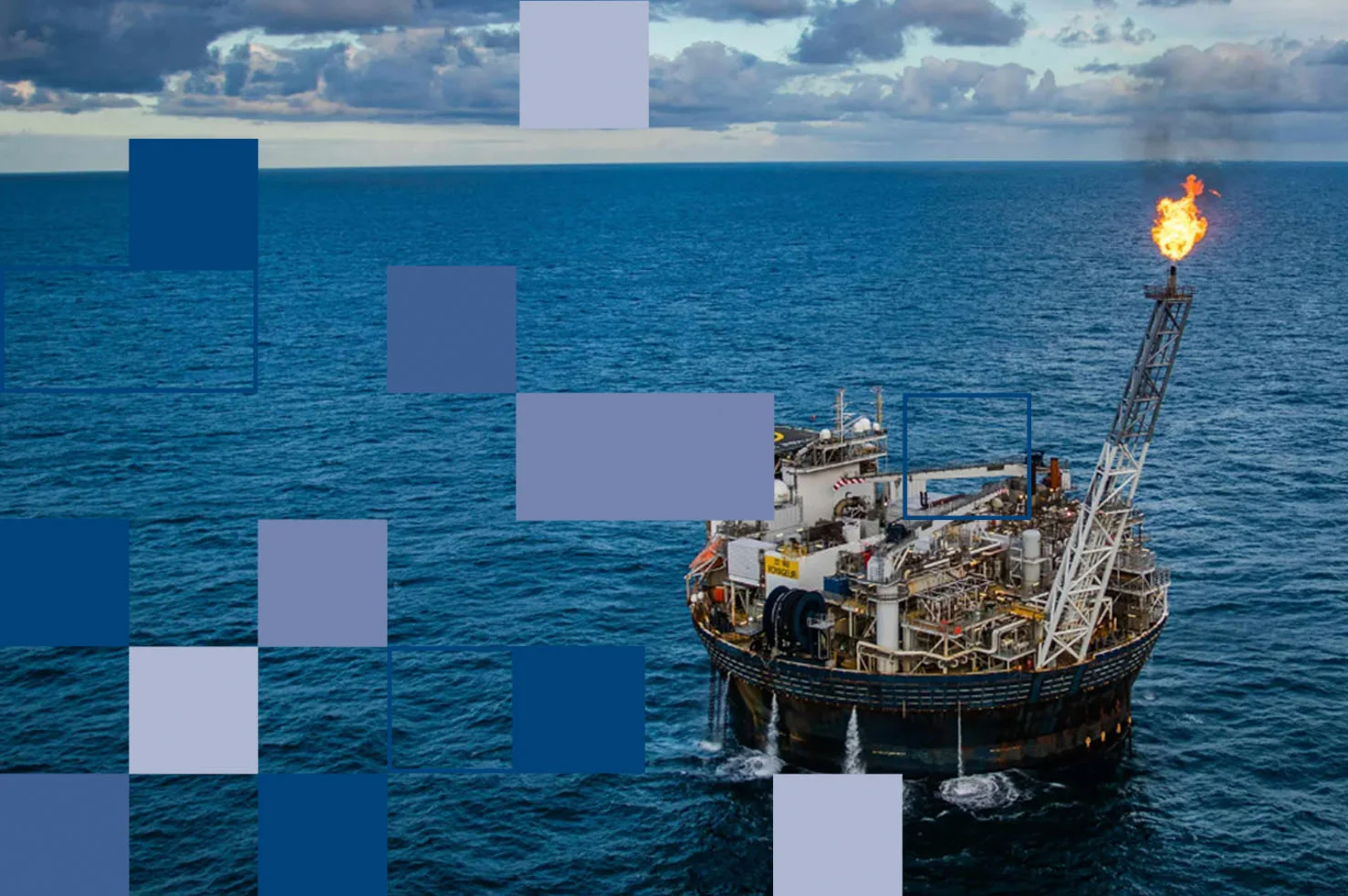
Upstream companies operate in high-risk, capital-intensive environments. Projects are often cyclical and influenced by commodity pricing. Offshore recruitment and rotational contract staffing dominate this space.
Midstream operations focus on transportation and storage. Pipeline engineering, logistics coordination and regulatory compliance form the backbone of workforce demand. Stability and long-term retention are typically greater priorities here.
Downstream businesses manage refining, petrochemicals and fuel distribution. They require a mix of permanent engineering expertise and short-term turnaround specialists.
When organisations treat oil and gas recruitment as a one-size-fits-all process, inefficiencies emerge. A strategy designed for contract-heavy offshore oil field jobs may not work for refinery engineers seeking long-term career progression. Likewise, permanent hiring processes may be too slow for urgent drilling campaigns.
Understanding which roles are most in demand, where competition is strongest and how employment models vary across the supply chain allows hiring teams to build more effective recruitment strategies.
Upstream Hiring: Workforce Needs in Exploration and Production
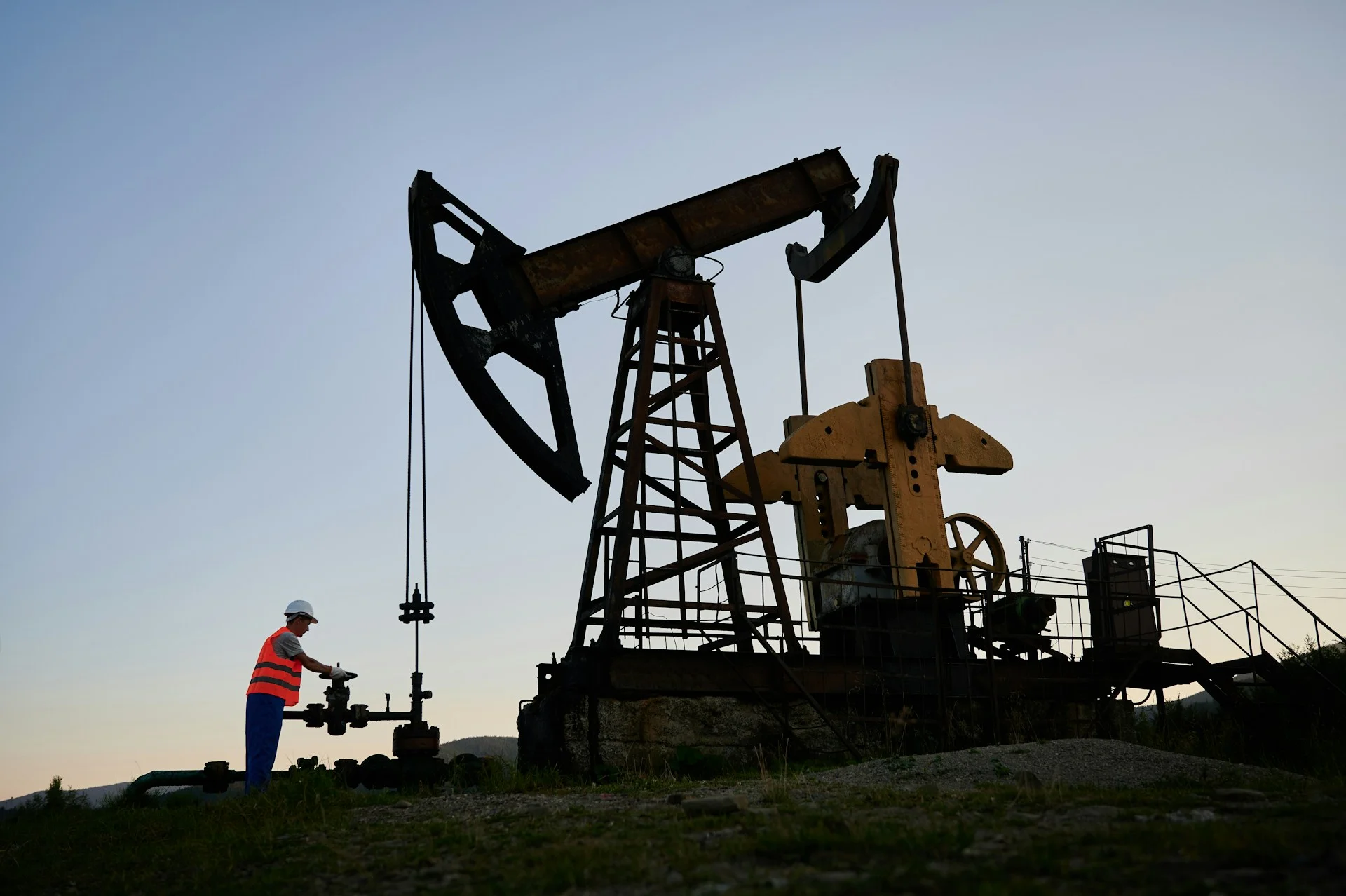
Upstream operations focus on exploration, drilling and extraction. The workforce must operate in remote environments, manage high-risk activity and adapt to unpredictable project cycles.
Most In-Demand Roles
- Drilling Engineers and Petroleum Engineers who design and optimise extraction techniques
- Geologists and Geophysicists who analyse reservoirs and assess drilling viability
- Wellsite Supervisors and Offshore Crew are responsible for daily operations, safety and performance
These oil and gas jobs demand both technical expertise and resilience. Many offshore jobs involve rotational schedules, exposure to extreme weather, and long periods away from home.
Unique Hiring Challenges
Retention is one of the biggest issues in upstream recruitment. The demanding nature of offshore work contributes to high turnover. When experienced professionals leave, replacing them quickly becomes critical to maintaining operational continuity.
Hiring demand is also cyclical. When oil prices decline, exploration slows and recruitment activity reduces. When prices rise, demand for skilled contractors can spike rapidly. This volatility requires oil and gas recruitment agencies to maintain access to pre-qualified talent pools that can mobilise quickly.
Short-term contracts dominate upstream hiring. Many roles are project-based, which means flexibility is essential. Companies must scale teams up or down in response to drilling schedules and investment decisions.
Recruitment Strategy for Upstream
Successful upstream hiring requires access to a large network of experienced contract professionals. Experienced oil and gas recruiters understand rotational patterns, offshore certification requirements, and the realities of remote site work.
Offshore recruitment must prioritise readiness for safety-critical offshore jobs. Candidates need up-to-date safety certifications, medical clearances and prior experience in comparable environments. Speed matters, but only when combined with compliance and technical verification.
Upstream recruitment is ultimately about flexibility. Companies that build strong contractor pipelines are better positioned to respond to market shifts.
Midstream Hiring: Securing Talent for Pipelines and Logistics
Midstream operations connect production with refining and distribution. This sector focuses on transportation, storage and infrastructure integrity.
Most In-Demand Roles
- Pipeline Engineers and Integrity Specialists who oversee maintenance and safety
- Logistics and Supply Chain Coordinators managing the movement of oil and gas
- HSE and Compliance Professionals ensuring regulatory adherence
Unlike upstream oil and gas jobs, many midstream roles are permanent and infrastructure-focused.
Unique Hiring Challenges
An aging workforce presents a significant challenge. Many experienced pipeline engineers and maintenance specialists are approaching retirement, creating knowledge gaps.
Regulatory requirements are also stringent. Midstream operations must comply with environmental and safety standards, which limits the available talent pool to professionals with verified certifications and compliance training.
Retention is critical. Unlike cyclical upstream projects, midstream infrastructure demands long-term stability. Replacing experienced pipeline professionals can disrupt operational efficiency.
Recruitment Strategy for Midstream
Midstream hiring requires long-term workforce planning. Succession strategies should address retirements before knowledge is lost.
Oil and gas recruitment agencies that understand pipeline engineering and logistics can support strategic hiring rather than reactive replacement. Market mapping, salary benchmarking and skills forecasting are particularly important in this segment.
For companies managing large infrastructure networks, building sustainable talent pipelines is more valuable than filling vacancies quickly.
Downstream Hiring: Workforce Needs in Refining and Distribution
Downstream operations focus on refining crude oil, producing petrochemicals and managing fuel distribution networks.
Most In-Demand Roles
- Process Engineers and Chemical Engineers overseeing refinery operations
- Turnaround and Shutdown Specialists supporting planned maintenance periods
- Retail Fuel Distribution Managers coordinating supply chains and logistics
Downstream hiring combines long-term engineering roles with short-term project staffing.
Unique Hiring Challenges
Competition for chemical engineers is intense. Refineries compete with pharmaceuticals, renewable energy and advanced manufacturing sectors for talent. This makes attraction and retention strategies essential.
Compliance pressures are also high. Environmental regulations and emissions standards require HSE professionals with specialist refinery experience.
Turnaround and shutdown projects introduce time sensitivity. Companies must mobilise experienced contractors within tight timeframes to avoid operational delays.
Recruitment Strategy for Downstream
Downstream oil and gas recruitment requires a dual approach. Permanent engineering roles demand structured assessment and competitive positioning. At the same time, shutdown staffing requires rapid mobilisation of pre-vetted specialists.
Working with an experienced oil and gas recruitment agency ensures access to refinery professionals who understand regulatory expectations and operational pressures.
Balancing long-term workforce planning with high-speed contract hiring is the defining feature of downstream recruitment.
Why Tailored Recruitment Strategies Matter
Upstream, midstream and downstream operations operate under different workforce realities.
Upstream companies face high turnover, cyclical demand, and ongoing reliance on offshore recruitment, to support drilling and exploration activity. Midstream businesses manage infrastructure stability and retirement-driven skill shortages. Downstream operators compete intensely for specialist engineers while also managing urgent turnaround staffing.
Applying a single hiring model across all three sectors creates inefficiencies. Companies that tailor oil and gas recruitment strategies to their operational context reduce hiring delays, improve retention and secure stronger technical alignment.
Understanding these differences allows organisations to move from reactive hiring to strategic workforce planning.
Partner with Orion for Specialist Oil & Gas Recruitment
Orion brings deep expertise across upstream, midstream and downstream recruitment. Our team understands the realities of offshore recruitment, pipeline infrastructure hiring and refinery staffing.
Whether you are hiring drilling engineers for oil field jobs, securing long-term pipeline integrity specialists or mobilising shutdown teams, our oil and gas recruiters tailor recruitment solutions to your sector’s specific needs.
As one of the established oil and gas recruitment agencies supporting global energy projects, Orion combines market insight with access to pre-vetted technical talent across jobs in oil and gas worldwide.
If you are looking to strengthen your oil and gas recruitment strategy, reduce hiring timelines or access specialist expertise across the supply chain, contact Orion’s oil and gas recruitment specialists today.
For more information about our specialists, meet the team here.
FAQs
Why is oil and gas recruitment different across upstream, midstream and downstream?
Each sector operates under different workforce pressures. Upstream hiring is contract-heavy and cyclical, midstream focuses on long-term infrastructure stability, and downstream combines permanent engineering roles with time-sensitive shutdown staffing. A single hiring model rarely works across all three.
What are the main challenges in upstream recruitment?
Upstream roles are often offshore, rotational and project-based. High turnover, safety compliance requirements and sudden demand spikes mean companies need fast access to pre-qualified contract professionals.
How can midstream companies manage skills shortages?
With many experienced pipeline professionals approaching retirement, midstream businesses must prioritise succession planning, retention strategies and long-term talent pipelines rather than reactive hiring.
Why does downstream recruitment require a dual approach?
Refineries need permanent engineering expertise alongside rapid mobilisation for turnarounds and shutdowns. Successful recruitment balances structured long-term hiring with high-speed contract staffing.