Important Update: Umbrella Company Reform
25 Mar, 2026



While oil and gas production and investment have been volatile over the last few years due to the energy transition, geopolitical conflicts, and the Covid19 hangover, renewable energies have been growing to make up the energy deficit. But they also facing their own challenges.
The recent announcement that one of the largest offshore wind developers is cutting its workforce due to the US political landscape shift, is an example that renewables can be just as volatile as its hydrocarbon cousin. While the US position may be only temporary, one such renewable source that is gaining traction is Carbon Caption & Storage (CCS).
In this blog, we’ll look at why CCS is continuing to grow on both sides of the Atlantic and what opportunities this will create. We'll also take a deeper dive into a CCS initiative in the UK and what it means to the local community as well as the wider renewables picture.
The Energy Industries Council (EIC) has been tracking global CCS projects since 2018. In their 2025 report, they show where CCS is in terms of the number of current projects and investments, and how it will fare in the coming years. The main takeaways were as follows:
While the number of planned projects looks promising, there is a concern many of them not reaching fruition, as seen by the low number in the all-important FID stage.
If we look at the snapshot of the global projects planned for 2025, which total 41, only a quarter have so far reached FID qualification. Though there is still time for improvement, time is ticking.
During the previous year, in 2024, the number of planned projects that received FID was just over 50%. Though there is still time for improvement, we are now into 2026 and making up the deficit will be difficult. While the number of planned projects for 2026 shows an increase in numbers, it’s difficult to predict the number that will reach FID approval, so the figure remains up in the air. Predictions for planned FIDs from 2026 and beyond shows a sharp decline in numbers, highlighting the slow progression and commitment of introducing new projects, especially in the UK.
The main advantage of carbon capture is reducing greenhouse gas emissions by trapping CO2 before it enters the atmosphere, which helps to mitigate climate change. While this route will go a long way towards reducing carbon emissions and meeting the global net zero targets, CCS won’t be able to fully realise its potential until some of the many obstacles in its path are pulled down.
As noted above, there seems to be a decline in rubber stamping new CCS projects, and this is due to CCS, like most other renewable resources, being seen as an emerging sector.
Emerging sectors bring with them high technology costs, high production costs, with limited infrastructure. This amounts to uncertainty from investors and therefore builds a lack of business confidence.
While there is a level of uncertainty, there is reason to be optimistic. Orion Group's Nathan Pardoe, one of Orion's senior recruiters in skilled trades recruitment, acknowledges the potential by saying... “Global CCS activity is rising, yet progress is tempered by high costs, policy shifts, FID delays, infrastructure gaps and a tightening skills market. Every successful project, however, boosts confidence and capability, pushing the sector closer to large-scale deployment.”
As witnessed in UK offshore wind, which was reliant on fixed subsidies until auction models flipped it on its head, changing policies and regulations don’t help emerging sectors.
An example affecting the CSS sector in the US is the One Big Beautiful Bill Act (OBBBA) shift. This encouraged the continued use of fossil fuels, while undoing previous cleaner energy alternatives. This meant that the OBBBA increased tax credits for CCS projects that use captured CO2 for EOR (Enhanced Oil Recovery), to match those for dedicated geological sequestration.
This means that projects are more likely to focus on EOR, which facilitates additional oil extraction and subsequent emissions, rather than solely permanent carbon storage.
In the UK, the government announced almost £22bn of funding in October 2024, but this funding is to be delivered over 25 years.
CCS has been around for nearly 50 years, with pipelines across the US. Despite this, it comes with a history of never quite realising its potential. Questions arise that if it was seen as a financially stable option, why hasn’t it taken the leap into the mainstream by now? This uncertainty leads to the hesitancy of FID approvals.
Despite major operators in the CSS space being mainly oil and gas players, not everything is negative. While North America stands out among the regions for CCS initiatives, there are major projects set to come online around the world.
Three of the largest include:
More are yet to come online, with momentum gathering around the world across Europe and Asia-Pacific.
One of the newest and largest CCS projects in the UK is already in the construction phase. Liverpool Bay CCS Limited, part of the Eni SpA group, owns and operates the Liverpool Bay Carbon Dioxide (CO₂) Transportation and Storage (T&S) infrastructure.
The Liverpool Bay T&S system provides the essential CO₂ transportation and storage network for the HyNet North West Industrial Decarbonisation Cluster. This initiative will transform one of the UK’s most energy-intensive regions, spanning the North West of England and North Wales, into one of the world’s first low-carbon industrial hubs.
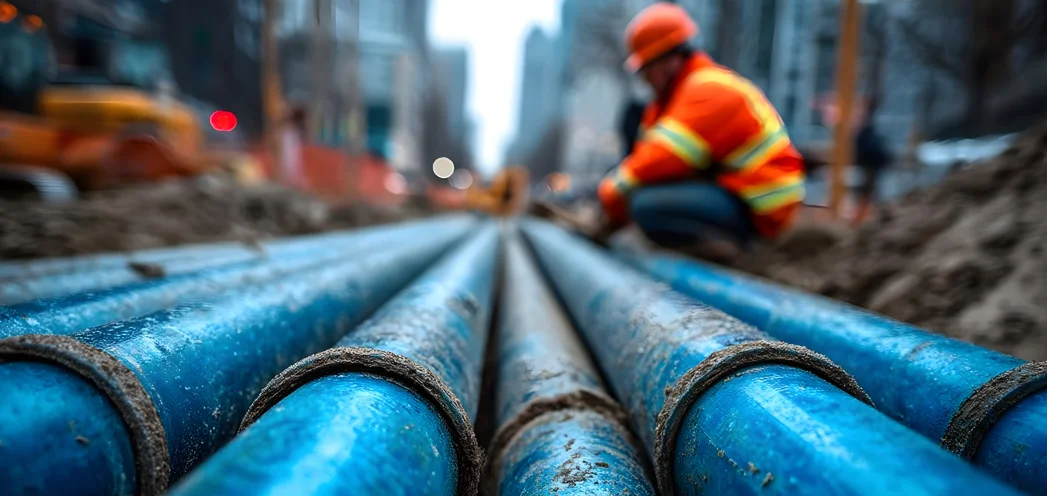
The project repurposes existing offshore platforms and installs over 180 km of pipelines to transfer captured CO₂ for permanent storage in depleted natural gas reservoirs beneath Liverpool Bay.
By doing so, it stimulates local economies through extensive supply chain opportunities, ensuring that most project spending remains within the region. This approach strengthens industrial competitiveness while revitalising communities built around manufacturing and energy.
Nathan Pardoe also sees the project as a significant step in CCS progression in the UK, and commented... “The Liverpool Bay CCS project marks a pivotal moment in the UK’s energy transition - repurposing legacy oil and gas infrastructure to build one of the country’s first large-scale CO₂ transport and storage networks. It signals a shift from ambition to action, proving that regions rooted in traditional energy can lead the move toward low-carbon industry, strengthened supply chains, and long-term economic resilience.”
During construction, the project is expected to generate around 2,000 skilled jobs, engaging engineers, welders, electricians, and other local specialists. Over time, the HyNet cluster could sustain up to 6,000 long-term positions. With supply chain contracts valued at approximately £2 billion, which will largely benefit local firms, the project will significantly enhance regional employment and manufacturing capabilities.
The Liverpool Bay CCS Limited project stands at the forefront of regional industrial transformation. By cutting CO₂ emissions, supporting local supply chains, and creating thousands of skilled jobs, the company is helping secure the UK’s cleaner, more resilient energy future across its northwestern industrial heartlands.
As with any new major project, they can only get off the ground if they have the manpower available to build and operate them.
At Orion Group, we are honoured to be selected by the Liverpool Bay CCS project as an appointed recruiter of skilled trades and technical personnel for the construction and supervision phases. The initial focus is on blue-collar construction roles, with further recruitment activity across technical and supervisory positions as the project progresses.
Key recruitment responsibilities include:
This ensures the project benefits from a highly skilled, safe, and compliant workforce throughout all phases of construction.
“Being appointed to support the Liverpool Bay CCS project is a milestone for our company,” Nathan Pardoe states, and adds... “It places Orion Group at the heart of one of the UK’s most significant low-carbon developments, allowing us to showcase our strength in supplying skilled, safety-focused talent while contributing directly to a project that will shape the region’s energy future.”
Currently there are 50 carbon capture and storage projects operating worldwide, with 44 projects currently under construction. While these numbers appear low compared to other renewable projects, like wind and solar, the figures are encouraging.
The more examples of working CCS projects that show real and tangible results, the more investors will become involved, and governments will relax processes to make it more affordable, build the necessary infrastructure, and train a professional workforce.
With projects like Liverpool Bay CCS laying the groundwork for showcasing the potential of CCS at home and abroad, it could be said that after a strong start and a plateauing middle due to political uncertainty and viability, the future of CCS looks set to improve. And this is something Nathan agrees wholeheartedly with... “The future of CCS is shifting from possibility to inevitability. As more projects come online and prove their value, the sector will mature rapidly driving investment, strengthening low-carbon industry, and becoming an essential pillar of the global net-zero pathway.”