
How Ageing Assets Are Changing Offshore Recruitment Needs
23 Mar, 20267 minutes
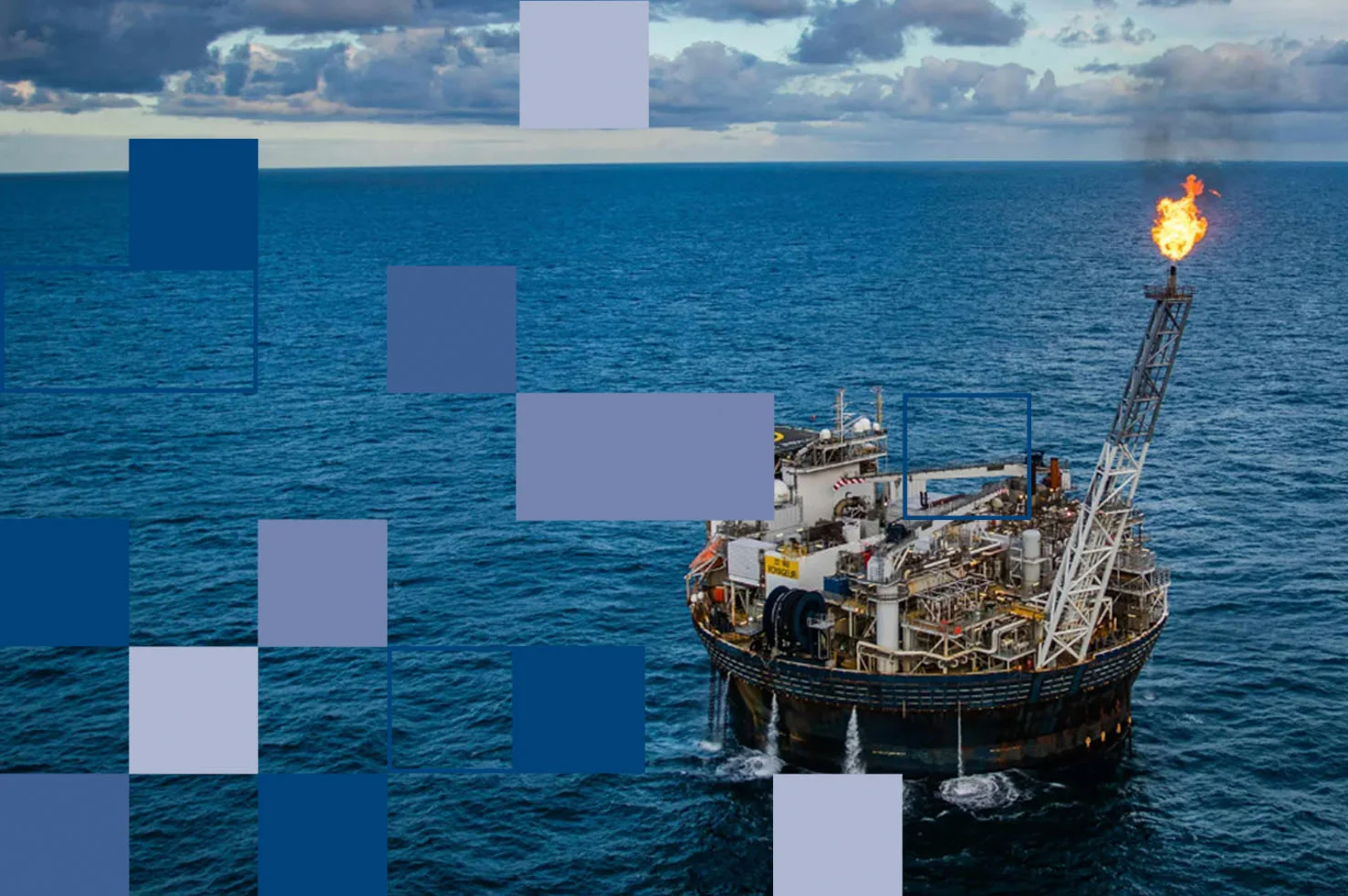
With pressure to reduce operating costs across oil and gas, operators are often choosing to extend the life of existing assets rather than decommission and replace platforms or fields. Doing more with less remains central to production and efficiency strategies, reshaping long-term demand for oil and gas jobs across mature offshore environments.
However, many offshore assets are now reaching or exceeding their original design life. Maintaining them requires greater effort and increased risks of corrosion, erosion, and well integrity issues. As infrastructure ages, the likelihood of flow assurance issues, asset failure and costly downtime rises, often resulting in multi-million-dollar impacts.
Technology and monitoring systems can help track asset performance and reliability. But without experienced personnel to manage maintenance, integrity and eventual decommissioning, those systems alone are not enough. Skilled offshore teams remain critical to safe and efficient operations.
As offshore oil and gas assets move into late-life and extended operations, recruitment priorities are shifting. Mature assets demand a different workforce model than greenfield developments, with greater emphasis on operational continuity, maintenance expertise, integrity management and risk control.
This blog explores how ageing offshore assets are redefining offshore recruitment strategies, from the types of offshore jobs now in demand, to the timelines, planning and skill mix required to support safe operations. It also examines why offshore work on mature assets depends heavily on experience, asset-specific knowledge and workforce stability, and why reactive hiring increases operational and safety risk.
How Offshore Jobs Shift from Build to Operate
In the early years of global oil and gas expansion, across the Northern Continental Shelf, the Gulf of Mexico and the Middle East, the priority was speed. The focus was on quickly building infrastructure, bringing new fields online, and maximising production.
Today, the landscape is very different. More than 50% of offshore platforms installed during the late 1970s and early 1980s have exceeded their original operational lifespan, in some cases by up to 15 years. While the typical life of an oil platform is 20–30 years, careful maintenance can extend this to 40 years or more, fundamentally changing the nature of long-term offshore work.
At the same time, investment has shifted. Since the 2014–2015 peak, global oil and gas spending has reduced significantly, moving from approximately $900bn to around $550bn annually. Combined with the energy transition, this has pushed operators to focus on maximising value from existing assets rather than developing new ones.
This shift has fundamentally changed offshore jobs and recruitment priorities. Instead of high-volume project hiring, the focus is now on experience and continuity.
Operators increasingly require:
- Operations and maintenance specialists
- Inspection and integrity engineers
- Personnel experienced in ageing infrastructure
- Candidates with asset-specific knowledge
Oil and gas recruitment now prioritises workforce stability over rapid expansion. Planning must be deliberate, targeting engineers and technical specialists who can safely and efficiently manage mature assets.
At the same time, the workforce itself is ageing. Many of the professionals who built and commissioned these assets are approaching retirement, with a significant proportion expected to leave the industry within the next five to ten years.
This creates a dual challenge: ageing infrastructure and an ageing talent pool. Without proactive oil and gas recruitment planning, reactive hiring can increase safety risks, reduce uptime and create regulatory exposure.
Key Offshore Jobs in Mature Oil and Gas Operations
For mature offshore oil and gas assets approaching the end of life, work typically clusters around two core priorities: keeping the asset operating safely and compliantly, and planning for eventual decommissioning.
In active operations, the focus is on safety, compliance and maximising remaining value, requiring targeted oil and gas recruitment to ensure the right technical and integrity expertise remains in place.
Health, Safety and Compliance Roles
As installations age, risk profiles increase and regulatory scrutiny intensifies. These offshore jobs focus on maintaining safe, compliant operations while managing degradation and production decline.
Leadership and Operational Oversight
- Offshore Installation Managers (OIMs)
- Production Supervisors
- Maintenance Supervisors
Operations and Control
- Control Room / Production Operators
- Panel Technicians managing unstable wells, higher water cut and increased trips
Integrity and Maintenance
- Asset Integrity Engineers (mechanical, structural, pipeline)
- Integrity Managers
- Maintenance Technicians (mechanical, E&I, instrumentation, valves, rotating equipment) with strong fault-finding capability on legacy systems
- Reliability / Maintenance Engineers (RBI, RCM, criticality reviews, spares and obsolescence management)
Regulatory and Assurance
- HSE Advisors and HSE Managers (offshore and onshore)
- Process Safety Engineers (barrier management, SCE performance, MAH risk)
- Regulatory / Assurance Specialists (NSTA/OPRED/HSE interface, safety case revisions, ALE submissions)
- Environmental Advisors (produced water, emissions, end-of-life environmental planning)
Optimisation and Decommissioning Roles on Mature Assets
Alongside safe operations, there remains strong pressure to maximise economic recovery, control opex, and determine the right time to cease production.
Late-Life Operations and Commercial Roles
- Reservoir / Petroleum Engineers focused on late-life optimisation and tie-back economics
- Production / Operations Engineers (debottlenecking, chemical optimisation, hydrate management)
- Asset Economists and Commercial Analysts (life-of-field economics, cessation modelling)
- Digital / Data Engineers and Production Analysts (surveillance, predictive maintenance, data-led integrity)
Decommissioning Roles
Decommissioning is a complex, multi-year process. Planning can take several years, with dismantling and removal phases lasting 9–20 months. Large-scale North Sea programmes can span 8–10 years and include well plugging, structure removal and seabed restoration.
Key offshore jobs in decommissioning include:
- Decommissioning Project Directors and Managers
- Decommissioning Engineers (topsides, subsea, wells, onshore)
- Well Abandonment Engineers and Well Services Supervisors (P&A)
- Subsurface and Intervention Engineers
- Subsea Engineers and SURF Specialists
- Heavy Lift, Marine and Naval Engineering professionals
While these roles are central to mature offshore assets, they are supported by broader operational functions, including HR, Training, Planning and Scheduling specialists, Financial Analysts, and other business-critical roles that ensure continuity across the asset lifecycle.
Workforce Continuity and Knowledge Retention Offshore
Workforce continuity and knowledge retention are vital to the safety, reliability and performance of offshore operations. In oil and gas jobs, experienced personnel hold asset-specific and institutional knowledge that supports safe, efficient offshore work, particularly on mature assets where operational familiarity is essential.
When that experience is lost through retirements or cross-industry turnover, knowledge gaps emerge. These gaps increase operational risk, weaken safety oversight and reduce performance stability across offshore work environments.
Managing retirements, succession planning and skills transfer is therefore critical. Structured mentoring, on-the-job training and thorough handovers help preserve expertise and equip newer workers to manage evolving offshore work challenges. Retaining experienced personnel and embedding knowledge-sharing practices strengthen both team capability and long-term asset reliability.
Short-term or high-churn hiring models may solve immediate workforce shortages, but they often undermine continuity. Repeated onboarding slows performance, disrupts team cohesion and can compromise safety, particularly in offshore work settings where asset-specific understanding matters.
Sustaining workforce continuity not only protects mature assets but also secures long-term offshore job stability, safeguards production and ensures that essential operational knowledge remains within the offshore work sector.
Adapting Offshore Recruitment Strategies for Mature Assets
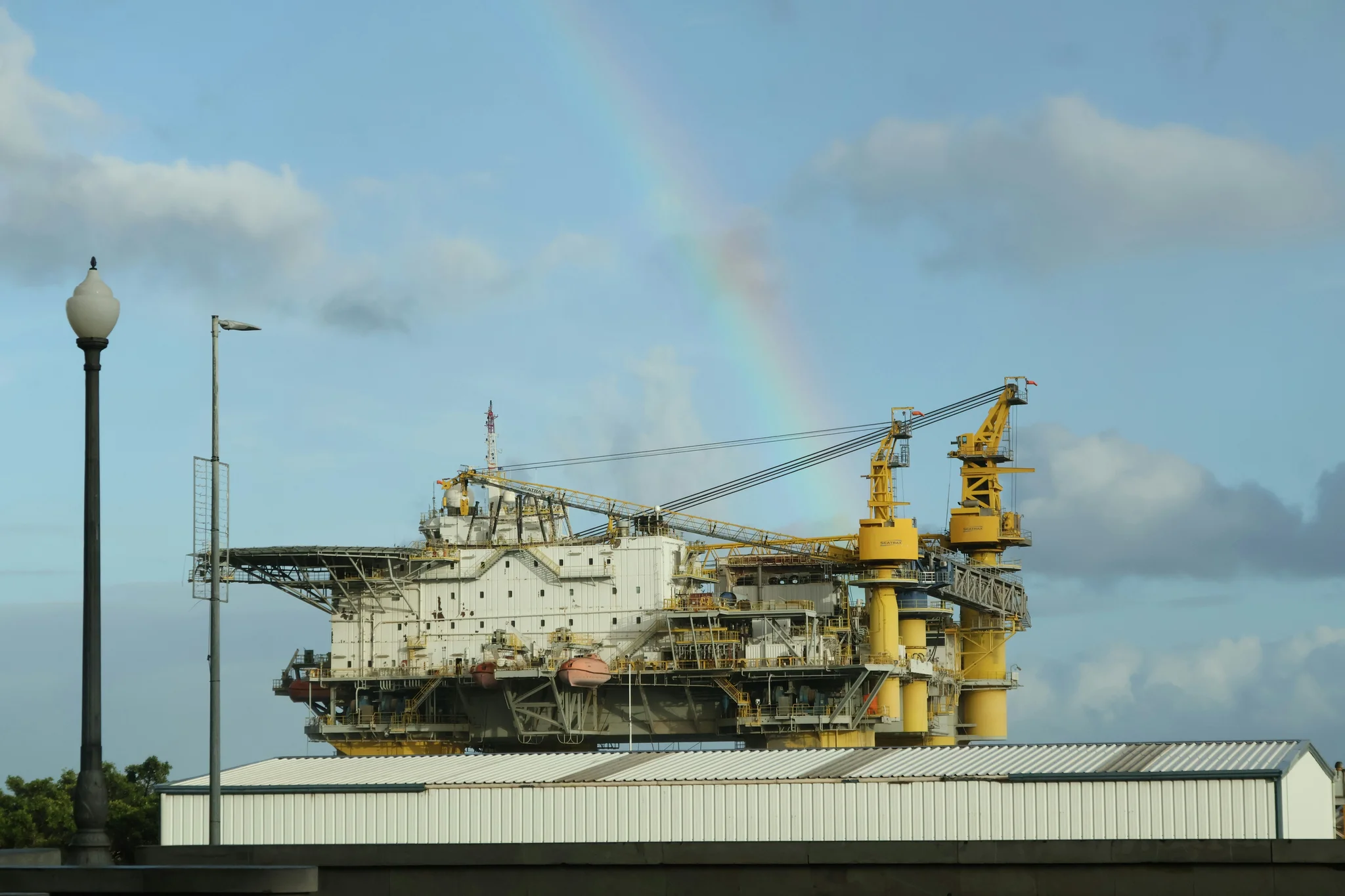
Recruitment approaches designed for greenfield projects often fail to support the realities of late-life offshore operations. As mentioned previously, high volume, short-term hires only slow down production due to retraining, knowledge loss and turnover.
The work, risk profile, economics, and talent pool are fundamentally different, so the hiring approach must also change to match them. This is where specialist offshore recruitment agencies play a critical role in identifying experienced professionals for late-life jobs.
CAPEX Vs OPEX
Late‑life assets are about life‑extension, cost control, and decommissioning, with shorter horizons and uncertainty, whereas greenfields are “projects of a lifetime”, so it’s important to be upfront that an asset may shut in a few years. Hence the need for a consistent workforce.
Knowledge Gaps
Mature assets need people who are comfortable with firefighting on ageing infrastructure, sweating existing equipment, and planning ahead for end‑of‑life. A mature and experienced workforce will know how the asset operates, what to look for, and how to solve problems based on experience.
Economics and Rewards
Late‑life work is under intense cost pressure, so clients want lean crews, shorter scopes, and tighter rates; if recruiters keep using the same pay benchmarks and expectations as greenfield, offers get rejected or drag on. Experience should equal a mature salary expectation.
Talent Pool
The late‑life space is relatively new as a defined career path, so there’s a smaller pool of people with true decommissioning, P&A, and late‑life optimisation experience. This is especially true as more experienced oil and gas workers have retired or left the industry. Retaining an existing workforce becomes more important than making it harder to recruit ‘new’ experienced members.
Technology
Greenfield projects will have the latest processes, technology, engineering, and data systems to attract the new generation of talent. Whereas as more mature assets will be kept going on legacy systems, systems that are isolated and don’t speak to other systems, so finding the personnel who can manage them becomes more targeted.
How Orion Supports Offshore Recruitment for Ageing Assets
Ageing offshore assets shift offshore recruitment away from fast, transactional hiring towards carefully planned, experience-led workforce strategies that protect integrity, uptime, and safety over the long term. Operators need people who understand legacy infrastructure, can manage life-extension scopes, and support safe decommissioning, not just short bursts of project delivery.
Orion Group has been supporting mature offshore operations by supplying seasoned and experienced hires for nearly four decades. From engineering and technical to safety and commercial roles, we’ve been helping clients maintain continuity on ageing installations.
Our oil and gas recruitment teams build ongoing talent pipelines, map future skills gaps, and provide integrated service models that align manpower planning with asset life-cycle strategies.
This long-term, partnership-led approach, helps operators stabilise crews, reduce risk, and keep mature fields productive for longer.
Contact us today to discuss your offshore recruitment needs and find out how we can support your ageing asset workforce strategy.
Still have questions?
How do ageing offshore assets change offshore recruitment needs?
Ageing offshore assets shift recruitment toward integrity engineers, inspection/NDT, maintenance, and decommissioning specialists, with higher emphasis on regulatory compliance and life‑extension experience.
Which offshore jobs are most critical on mature oil and gas assets?
The most critical jobs on mature assets are OIMs and control room operators, mechanical/E&I maintenance and integrity technicians, safety and marine teams, and deck/rope access trades who keep ageing equipment running safely.
Why do mature offshore assets require longer recruitment timelines?
Mature assets require longer recruitment timelines because they require scarcer, highly experienced candidates, plus extensive certifications, medicals, and competence checks in life‑extension/asset integrity before mobilisation.
How does workforce continuity affect offshore safety and performance?
Workforce continuity preserves hard‑won platform knowledge, supports consistent maintenance and integrity routines, and reduces human‑factor errors, which directly improves offshore safety and steady production performance.
Why are offshore recruitment agencies important for late-life assets?
Specialist offshore recruitment agencies are vital for late‑life assets because they maintain niche, pre‑vetted talent pools, understand complex compliance, and can quickly assemble small, high‑calibre teams for integrity and decommissioning scopes.