
Carbon Capture Recruitment: Meeting CCUS Demand
09 Jul, 20265 mins
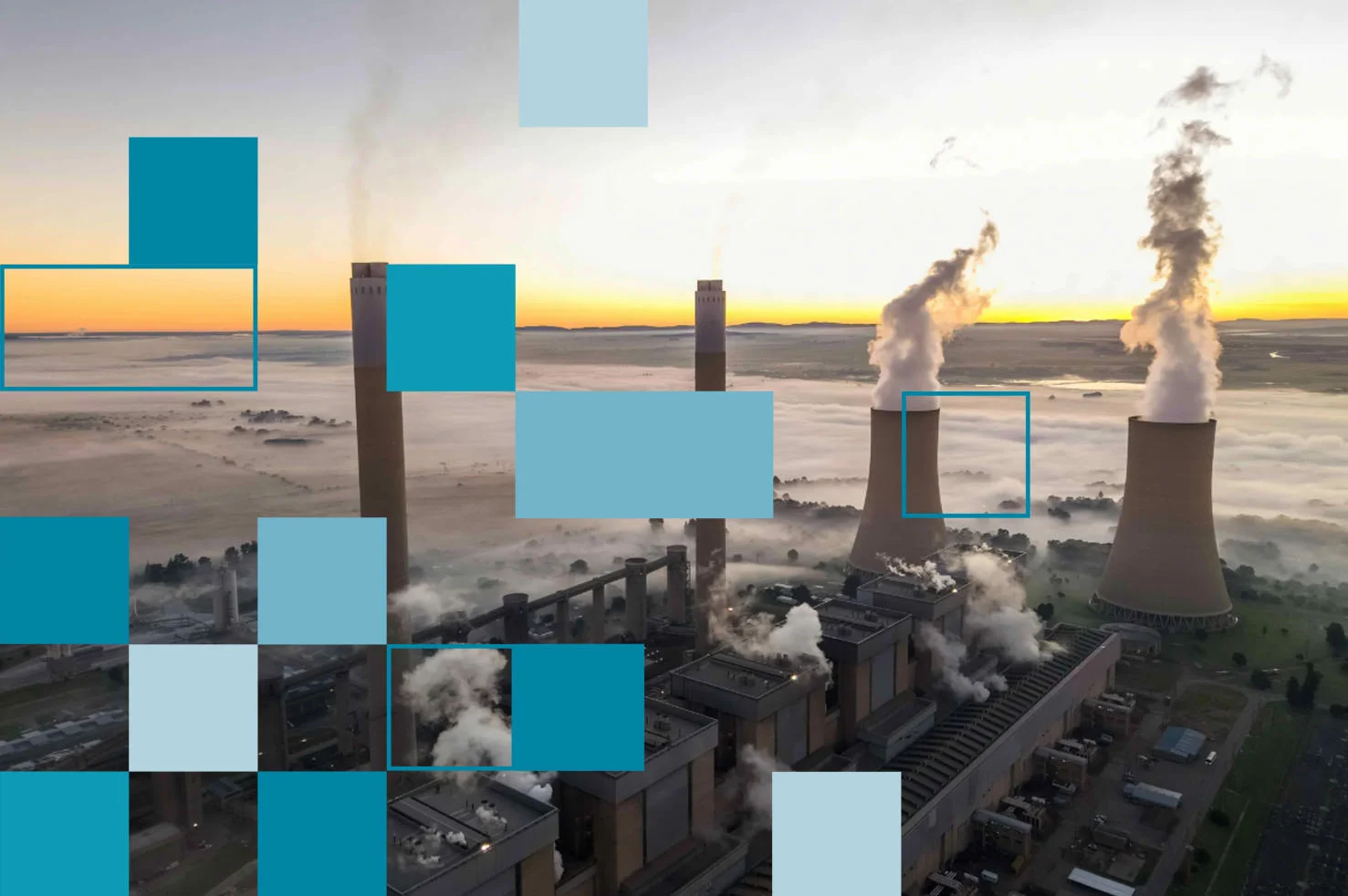
Carbon Capture recruitment is becoming one of the most important sectors within global energy, as Carbon Capture, Utilisation, and Storage (CCUS) projects continue to scale worldwide.
As the global energy transition gathers pace, few sectors are generating as much interest and investment as CCUS. Once viewed as a promising but largely experimental technology, carbon capture is now moving rapidly into commercial deployment, supported by governments, energy companies, and industrial organisations, seeking practical pathways to decarbonisation.
Across the UK, Europe, North America and Asia-Pacific, major carbon capture projects are progressing from concept to construction. New infrastructure is being developed to capture carbon emissions from industrial facilities, transport them via dedicated networks, and store them safely underground for the long term.
As investment accelerates, so too does demand for talent.
Carbon Capture & Storage recruitment has quickly emerged as one of the fastest-growing areas within the energy sector. Companies are competing for experienced engineers, project professionals, technical specialists, and commercial experts, capable of delivering increasingly complex projects.
For many employers, the challenge is not simply finding talent. It is finding people with the right combination of technical expertise, infrastructure experience, and energy sector knowledge, to support large-scale project delivery.
Why Carbon Capture Is Scaling Globally
Carbon capture has become a central component of many national energy transition strategies.
While renewable energy technologies such as wind and solar continue to expand, many industries remain difficult to decarbonise.
Heavy manufacturing, cement production, chemicals, refining and power generation, all produce emissions that cannot easily be eliminated through electrification alone.
CCUS offers a solution by capturing carbon dioxide before it enters the atmosphere, and storing it safely underground or utilising it within industrial processes.
Governments worldwide increasingly view carbon capture as essential to achieving net zero targets. This shift is driving significant investment across multiple regions.
United Kingdom
In the UK, projects such as the HyNet Industrial Cluster and the Liverpool Bay CCS development are helping establish large-scale carbon capture infrastructure, capable of supporting multiple industries.
Europe
Across Europe, similar initiatives are progressing in Norway, the Netherlands and Denmark.
North America
In North America, government incentives and funding programmes are accelerating project development throughout the United States and Canada.
Asia-Pacific
Meanwhile, countries across Asia-Pacific are investing heavily in carbon capture as part of wider decarbonisation strategies, particularly where industrial emissions remain a significant challenge.
As these projects scale, demand for specialist talent is increasing at every stage of development, creating new opportunities across carbon capture jobs and carbon capture and storage jobs worldwide.
How Oil and Gas Expertise Supports Carbon Capture Recruitment
One of the most interesting aspects of carbon capture recruitment is the significant overlap with traditional oil and gas skills.
Many of the technologies, engineering disciplines and operational processes required for CCUS projects have been utilised within the oil and gas sector for decades.
This is creating valuable opportunities for experienced energy professionals to transition into low-carbon infrastructure projects.
Subsurface Expertise
Carbon storage relies heavily on understanding geological formations deep beneath the earth's surface.
Reservoir engineers, geoscientists and subsurface specialists who have worked on oil and gas fields, possess many of the skills required to assess storage sites, model reservoir behaviour, and monitor long-term performance.
Pipeline Infrastructure
Captured carbon dioxide must often be transported considerable distances between industrial facilities and storage locations.
Pipeline engineers, integrity specialists, and transportation experts, therefore play a crucial role in developing carbon transport networks.
The skills used to design, construct, and operate hydrocarbon pipelines, are directly transferable to carbon dioxide transportation systems.
Offshore Engineering
Many carbon storage projects utilise depleted offshore reservoirs.
As a result, offshore engineering expertise remains highly relevant. Professionals with experience in platform operations, subsea infrastructure, drilling, well intervention, and offshore project delivery, are increasingly finding opportunities within carbon capture and storage jobs.
Asset Repurposing
Many CCUS projects involve repurposing existing energy infrastructure.
Pipelines, offshore facilities and storage assets originally developed for oil and gas production, are being adapted to support carbon transportation and storage.
Engineers familiar with ageing infrastructure, integrity management and brownfield modifications are therefore in particularly high demand.

The Skills Driving Carbon Capture Recruitment
As the sector grows, a broad range of technical and commercial disciplines are becoming critical to project success.
Process Engineers
Process engineers are at the heart of carbon capture systems.
They design and optimise capture technologies, improve efficiency, and ensure systems integrate effectively with existing industrial operations.
Demand for process engineering talent is increasing significantly as projects move from design into execution.
Project Managers
Large-scale CCUS developments involve multiple stakeholders, complex regulatory requirements, and extensive infrastructure construction.
Project managers with experience delivering major energy projects are therefore essential.
Many employers are seeking professionals with backgrounds spanning oil and gas, infrastructure, utilities and industrial developments.
Pipeline and Transport Specialists
Transporting captured carbon safely and efficiently requires specialist expertise.
Carbon transport networks are creating demand for:
- Pipeline Engineers
- Integrity Engineers
- Transportation Specialists
- Construction Managers
- Operations Professionals
These roles are becoming increasingly important as regional carbon capture hubs continue to expand.
Commercial and Regulatory Professionals
Carbon capture projects operate within evolving regulatory frameworks.
Organisations are therefore recruiting specialists in:
- Carbon accounting
- Regulatory compliance
- Environmental permitting
- Commercial strategy
- Stakeholder engagement
As governments introduce new incentives and reporting requirements, these skills are becoming increasingly valuable.
Construction and Commissioning Teams
As more projects enter execution phases, demand is rising for professionals who can oversee construction, commissioning and operational readiness.
This includes:
- Construction Managers
- Commissioning Engineers
- Quality Specialists
- HSE Professionals
- Operations Readiness Teams
The challenge is particularly acute because many of these individuals are already in high demand across other energy sectors.
Regional Hiring Trends Across Carbon Capture and Storage Jobs
Carbon Capture & Storage recruitment activity varies significantly by region, reflecting local investment levels, infrastructure maturity, and government support.
United Kingdom and North Sea
The UK remains one of the most active CCUS markets globally.
Projects such as the HyNet Industrial Cluster & Liverpool Bay CCS are creating significant workforce demand across engineering, project management, and operations disciplines. These developments are particularly important because they leverage existing North Sea expertise and infrastructure.
Many organisations are actively recruiting professionals with offshore experience to support project delivery. The result is a growing market for carbon capture jobs and carbon capture and storage jobs across the UK energy sector.
Europe
Several European countries are investing heavily in carbon capture infrastructure.
Norway's long-standing experience with carbon storage has positioned it as a global leader, while projects across the Netherlands and Denmark continue to attract international talent.
Cross-border recruitment is becoming increasingly common as organisations seek specialist expertise.
North America
The United States and Canada are experiencing rapid growth in carbon capture investment.
Government funding programmes and tax incentives have encouraged organisations to move projects forward at unprecedented speed. This is driving recruitment activity across:
- Process engineering
- Pipeline infrastructure
- Carbon transportation
- Project controls
- Construction management
Competition for experienced professionals is becoming increasingly intense.
Asia-Pacific
Emerging carbon capture projects across Australia, Japan, South Korea and Southeast Asia are creating new recruitment opportunities.
Although some markets remain at earlier stages of development, hiring activity is expected to accelerate significantly over the coming years.
How Carbon Capture Is Changing Energy Recruitment
The rise of CCUS is reshaping wider energy recruitment markets in several important ways.
Increased Competition for Talent
Many of the professionals required for carbon capture projects already work in highly competitive sectors. Oil and gas, renewables, power generation and infrastructure projects are often competing for the same individuals.
This is creating upward pressure on salaries and increasing the importance of strategic workforce planning.
Greater Cross-Sector Mobility
Historically, energy recruitment often focused on sector-specific experience.
Today, organisations are increasingly looking beyond traditional boundaries. Professionals from oil and gas, renewables, chemicals, utilities and infrastructure sectors are all contributing to CCUS projects.
The ability to identify transferable skills has become a major advantage for employers.
International Recruitment Is Becoming Essential
Large-scale carbon capture projects require specialist expertise that may not always be available locally. As a result, international engineering recruitment is becoming increasingly important.
Companies are expanding their search globally to secure the talent required to meet project schedules and delivery targets.
Long-Term Workforce Planning
Unlike some shorter-term energy projects, carbon capture developments often involve multi-decade investment horizons.
This means workforce planning must extend well beyond immediate hiring needs. Organisations are increasingly focused on developing sustainable talent pipelines capable of supporting projects throughout their lifecycle.
How Orion Supports Carbon Capture Recruitment
As carbon capture projects continue to expand globally, access to specialist talent has become a critical success factor.
At Orion Group, we have extensive experience supporting energy recruitment across both traditional and emerging sectors. Our expertise spans:
- Carbon capture recruitment
- Oil and gas recruitment
- Renewable energy recruitment
- Infrastructure recruitment
- Engineering recruitment
We understand the crossover between these sectors and the transferable skills required to deliver successful projects.
Supporting Major Infrastructure Projects
Our teams have supported some of the energy sector's most significant developments, helping clients secure specialist talent across engineering, construction, commissioning, operations and project management disciplines.
This experience positions us well to support evolving workforce demands across carbon capture and storage projects.
Access to Global Talent Networks
With offices and recruitment teams operating internationally, Orion Group provides access to specialist engineering and technical talent across multiple markets.
Whether clients require permanent employees, contract professionals, or project-based workforce solutions, we can help identify the right people quickly and efficiently.
Understanding Complex Project Delivery
CCUS projects often involve multiple disciplines, stakeholders and regulatory requirements.
Our recruiters understand these complexities and work closely with clients to develop tailored workforce strategies aligned with project objectives.
As investment continues to grow, this expertise becomes increasingly valuable.
The Future of Carbon Capture Recruitment
Carbon capture is no longer a future technology. It is becoming a core component of global energy infrastructure.As projects move from planning to execution, demand for engineering, technical and operational talent will continue to increase.
The organisations that succeed will be those capable of securing the specialist expertise needed to deliver complex projects safely, efficiently, and on schedule.
For professionals, carbon capture jobs offer exciting opportunities to apply existing skills within one of the fastest-growing areas of the global energy industry.
For employers, effective carbon capture recruitment will be essential to maintaining project momentum and achieving our long-term decarbonisation goals. Please contact us to discuss your requirements.
Carbon Capture FAQs
What are carbon capture jobs?
Carbon capture jobs support the design, construction, operation and maintenance of Carbon Capture, Utilisation, and Storage (CCUS) projects. Roles include process engineers, project managers, pipeline engineers, operations specialists, environmental professionals and commercial experts.
What skills are needed for carbon capture and storage jobs?
Common skills include process engineering, pipeline design, project management, subsurface engineering, construction management, carbon accounting, regulatory compliance and operational readiness.
Why are oil and gas skills important in CCUS projects?
Many carbon capture technologies rely on expertise developed within the oil and gas sector, including offshore engineering, pipelines, drilling, reservoir management and infrastructure operations.
What is the HyNet carbon capture project?
The HyNet Industrial Cluster is one of the UK's leading carbon capture and storage initiatives, designed to reduce industrial emissions across North West England and North Wales. A key part of the project is the Liverpool Bay Carbon Capture and Storage development, which will transport and permanently store captured CO₂ using a combination of new and repurposed energy infrastructure. As HyNet and Liverpool Bay move from development into execution, they are expected to create significant demand for carbon capture jobs, carbon capture and storage jobs, and specialist engineering professionals across the UK energy sector.
What is carbon capture recruitment?
Carbon capture recruitment focuses on sourcing engineering, technical, commercial and project professionals for Carbon Capture, Utilisation, and Storage (CCUS) projects. As investment grows globally, carbon capture recruitment is becoming a critical part of workforce planning for energy and industrial organisations.
Are carbon capture and storage jobs growing?
Yes. Carbon capture and storage jobs are among the fastest-growing opportunities within the energy transition, driven by investment in large-scale CCUS infrastructure and decarbonisation projects.
Related Posts
Can an Electrician Become an Electrical Engineer?
09 Oct, 2026

The Workforce Challenge Behind the Data Centre Boom
08 Oct, 2026