Can an Electrician Become an Electrical Engineer?
09 Oct, 2026




Structural engineering jobs involve designing, analysing, and maintaining structures to ensure they are safe, stable, and capable of withstanding environmental and operational stresses. Demand for these roles has increased globally in recent years, driven by large-scale investment in energy, oil and gas, and infrastructure projects. From offshore platforms in the North Sea to LNG developments in Asia-Pacific, the need for skilled engineers continues to grow across multiple regions.
For professionals working in civil engineer jobs or considering a move into structural disciplines, this global demand presents a significant opportunity. Engineers are no longer limited to local markets. Instead, they can build international careers, gain exposure to complex projects, and develop highly sought-after expertise.
In this blog, we explore the best locations worldwide for structural engineering jobs, what is driving demand in each region, and how working with a specialist engineering recruitment agency can help you access these opportunities.
The demand for structural engineering jobs is rising across several sectors, particularly oil and gas, energy, and infrastructure. Governments and private investors are continuing to fund major projects, many of which require advanced structural expertise to ensure safety, efficiency, and long-term performance.
Oil and gas remains one of the most significant drivers. Offshore platforms, subsea structures, and LNG facilities all require highly specialised engineering input. These environments are often complex and high risk, which means experienced structural engineers are essential.
At the same time, infrastructure development is accelerating worldwide. Transport networks, bridges, ports, and large-scale industrial facilities all rely on structural engineering to support their design and construction. As populations grow and urbanisation increases, the need for resilient infrastructure becomes even more critical.
Renewable energy is also playing a growing role. Wind farms, particularly offshore installations, require structural expertise similar to that found in traditional oil and gas projects. This crossover is creating new opportunities for engineers to apply their skills across sectors.
Structural engineering recruitment is therefore becoming increasingly important. Employers are looking for candidates with specific technical skills, industry experience, and the ability to operate in challenging environments. Working with a specialist recruiter can make a significant difference when navigating this competitive global market.
The best locations for structural engineering jobs are typically regions with high investment in energy and infrastructure, including the Middle East, the North Sea, North America, and the Asia-Pacific.

The Middle East remains one of the most active regions for structural engineering jobs. Countries such as Saudi Arabia, the United Arab Emirates, and Qatar continue to invest heavily in both energy and infrastructure projects.
Oil and gas is a major contributor. The region is home to some of the largest reserves in the world, and ongoing expansion projects require structural engineers with experience in offshore and onshore facilities. LNG developments are also increasing, creating further demand for specialised skills.
In addition to energy, infrastructure development is a key focus. Major cities are investing in transport systems, commercial developments, and large-scale industrial projects. These initiatives require structural engineers who can design and deliver complex structures under demanding conditions.
One of the main attractions of the Middle East is the scale of projects. Engineers have the opportunity to work on some of the largest developments in the world, often with access to advanced technologies and resources.
For those seeking oil and gas jobs, the Middle East offers long-term opportunities and competitive compensation packages. It is particularly well suited to engineers who are comfortable working in fast-paced environments and adapting to international teams.
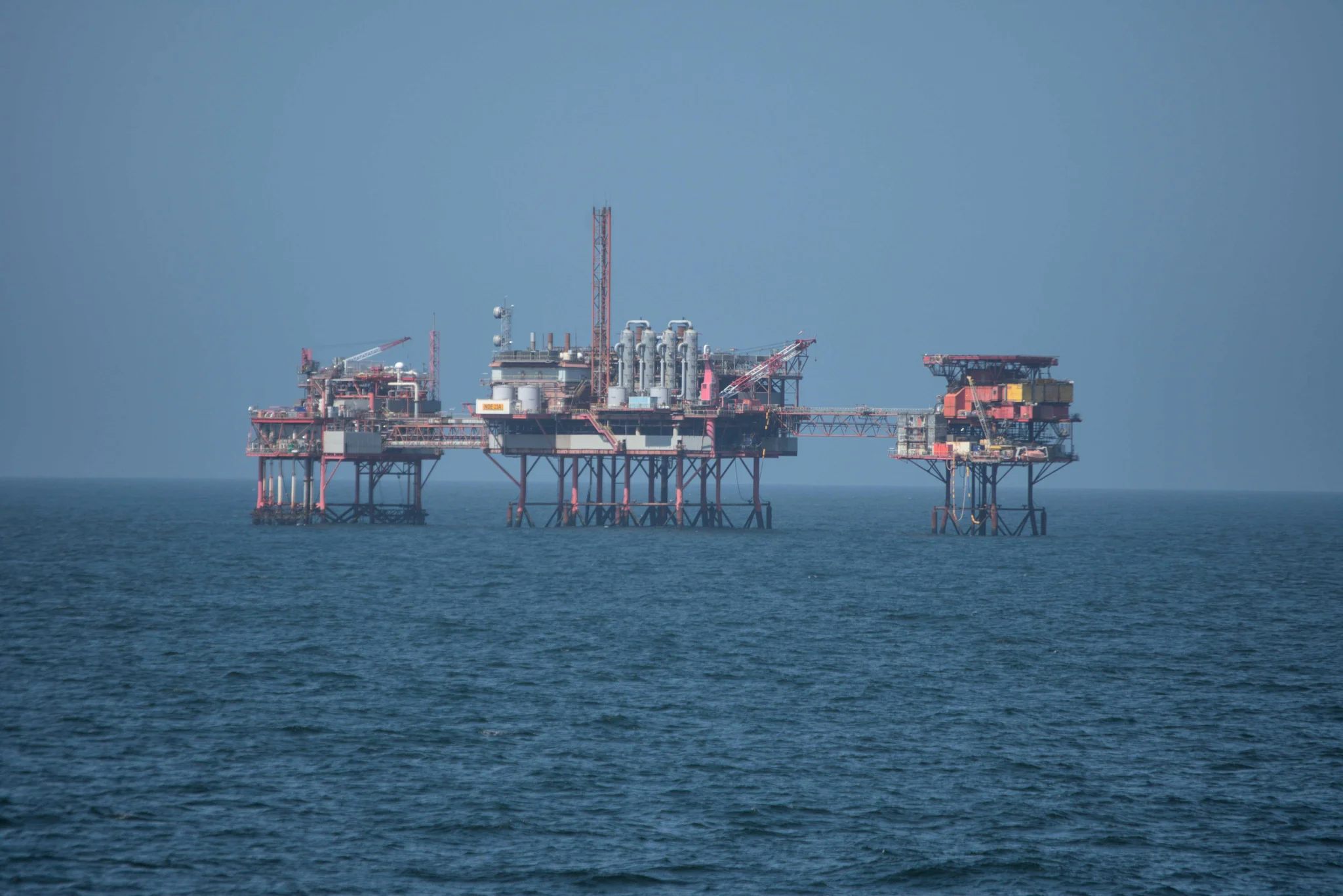
The North Sea has long been a hub for offshore engineering and continues to offer strong opportunities for structural engineering jobs. While it is considered a mature market, ongoing maintenance, upgrades, and decommissioning activities ensure steady demand for experienced professionals.
Offshore platforms require constant monitoring and structural integrity assessments. Engineers play a critical role in ensuring that ageing assets remain safe and operational. This includes analysing stress loads, inspecting structures, and designing reinforcement solutions where necessary.
Decommissioning is another growing area. As older platforms reach the end of their lifecycle, structural engineers are needed to plan and execute safe removal processes. This work requires a deep understanding of offshore structures and environmental considerations.
The North Sea also benefits from its transition into renewable energy. Offshore wind projects are expanding across the UK and Europe, creating new opportunities for engineers with transferable skills.
For those with offshore experience, the North Sea remains a valuable market. It offers a combination of technical challenge, long-term stability, and the chance to work on both traditional oil and gas jobs and emerging energy projects.

North America is experiencing significant growth in both infrastructure and energy investment, making it a key region for structural engineering recruitment. In the United States and Canada, large-scale infrastructure programmes are driving demand for engineers, with employment for civil and structural engineers projected to grow by 5% between 2024 and 2034, reflecting steady and above-average demand.
Energy is another major factor. Oil and gas projects, particularly in regions such as Texas and Alberta, continue to create opportunities for structural engineers. In addition, there is increasing investment in renewable energy, including wind and solar projects.
For professionals currently working in civil engineer jobs, North America offers a clear pathway into structural roles. Many infrastructure projects require a combination of civil and structural skills, allowing engineers to transition and broaden their experience.
The diversity of projects is one of the main advantages of this region. Engineers can work across multiple sectors, gain exposure to different technologies, and develop a well-rounded skill set that is highly valued worldwide.

Asia-Pacific is one of the fastest-growing regions for structural engineering jobs. Countries such as Australia, Malaysia, Indonesia, and Vietnam are investing heavily in energy and infrastructure.
LNG projects are a major driver of demand. Australia, in particular, is a global leader in LNG production, with ongoing developments requiring structural engineers to support both construction and operations.
Infrastructure growth is also significant. Rapid urbanisation is leading to increased demand for transport networks, residential developments, and industrial facilities. These projects often involve complex design challenges, providing valuable experience for engineers.
The region is also seeing strong growth in renewable energy. Offshore wind and solar projects are expanding, creating new opportunities for structural engineers with experience in similar environments.
One of the key benefits of working in Asia-Pacific is the opportunity to gain international experience. Many projects involve collaboration between local and international teams, allowing engineers to develop a global perspective.
Structural engineering recruitment in this region is highly active, with employers seeking candidates who can adapt to different working environments and contribute to large-scale developments.
In addition to specific regions, there are several global energy hubs that act as gateways to international projects. Cities such as Houston, Aberdeen, and Singapore are central to the global oil and gas industry.
These locations are home to major operators, engineering firms, and service providers. As a result, they offer access to a wide range of structural engineering jobs across multiple regions.
Working in a global hub can provide exposure to international projects without the need for constant relocation. Engineers may be involved in design, planning, and support activities for projects located around the world.
Contract opportunities are also common in these hubs. Many professionals choose to work on a project-by-project basis, gaining experience across different regions and sectors.
An engineering recruitment agency plays a key role in connecting candidates to these opportunities. Recruiters often have access to roles that are not advertised publicly and can provide valuable insights into market trends and employer expectations.
Many professionals begin their careers in civil engineer jobs before moving into structural roles. The two disciplines are closely related, with significant overlap in skills and knowledge.
Civil engineers often work on infrastructure projects that require an understanding of structural behaviour. This provides a strong foundation for transitioning into structural engineering.
To make this transition, engineers may need to develop additional technical skills, such as advanced analysis and design techniques. Experience with specialised software and exposure to complex projects can also be beneficial.
Oil and gas and energy projects offer excellent opportunities for this transition. These industries require a high level of structural expertise, and employers are often willing to invest in training and development.
Structural engineering recruitment can support this process by identifying suitable roles and providing guidance on career progression. Working with a recruiter can help candidates understand what employers are looking for and how to position themselves effectively.
Location plays a significant role in shaping a structural engineering career. Different regions offer varying levels of project complexity, compensation, and long-term opportunities.
For example, working in the Middle East or Asia-Pacific can provide exposure to large-scale, fast-paced projects. These environments often accelerate career development and allow engineers to gain experience quickly.
In contrast, regions such as the North Sea offer depth of expertise. Engineers can develop specialised skills in offshore structures, maintenance, and decommissioning, which are highly valued in the global market.
Salary expectations can also vary by location. Some regions offer tax advantages or higher compensation packages, particularly for roles in oil and gas jobs.
International experience is one of the most valuable benefits. Engineers who have worked in multiple regions are often more attractive to employers, as they bring a broader perspective and the ability to adapt to different environments.
Structural engineering recruitment plays a crucial role in helping professionals access global opportunities, particularly in a market with varying regional requirements, regulations, and expectations.
A specialist engineering recruitment agency can support your career by:
This level of support helps professionals navigate the global market more effectively and make informed decisions about their next move.
Orion has extensive experience in structural engineering recruitment across oil and gas, energy, and infrastructure sectors. With a global presence, Orion connects skilled engineers with leading organisations worldwide.
The team understands the specific requirements of structural engineering jobs and works closely with candidates to identify opportunities that match their skills and career goals.
From contract roles to permanent positions, Orion provides support at every stage of the recruitment process. This includes CV advice, interview preparation, and ongoing career guidance.
For engineers looking to build an international career, working with a trusted engineering recruitment agency like Orion can make all the difference.
If you are exploring structural engineering jobs or considering your next move, you can get in touch with the Orion team to discuss current opportunities and how your experience aligns with global projects.
The best locations for structural engineering jobs include regions with high levels of infrastructure and energy investment, such as the Middle East, North America, Asia-Pacific, and offshore markets like the North Sea. Demand is typically strongest where large-scale projects are driving the need for specialised engineering expertise.
Structural engineering jobs are driven by industries such as oil and gas, energy, infrastructure, and renewable energy. These sectors require structural expertise to support complex, large-scale projects, from offshore platforms to transport networks and energy facilities.
Professionals in civil engineer jobs can transition into structural engineering roles by developing specialised skills in structural analysis and design. Experience on infrastructure or energy projects also provides a strong foundation for moving into more technically focused structural positions.
Careers in oil and gas are a strong option for structural engineers, particularly in offshore and LNG projects. These roles involve complex engineering challenges and offer valuable experience working on large-scale, high-specification developments.
An engineering recruitment agency supports global opportunities by connecting candidates with international employers, providing market insights, and guiding professionals through the application and mobilisation process. This makes it easier to access structural engineering jobs worldwide.