5 Technologies Driving Digital Transformation in Oil & Gas
24 Nov, 20268 Minutes
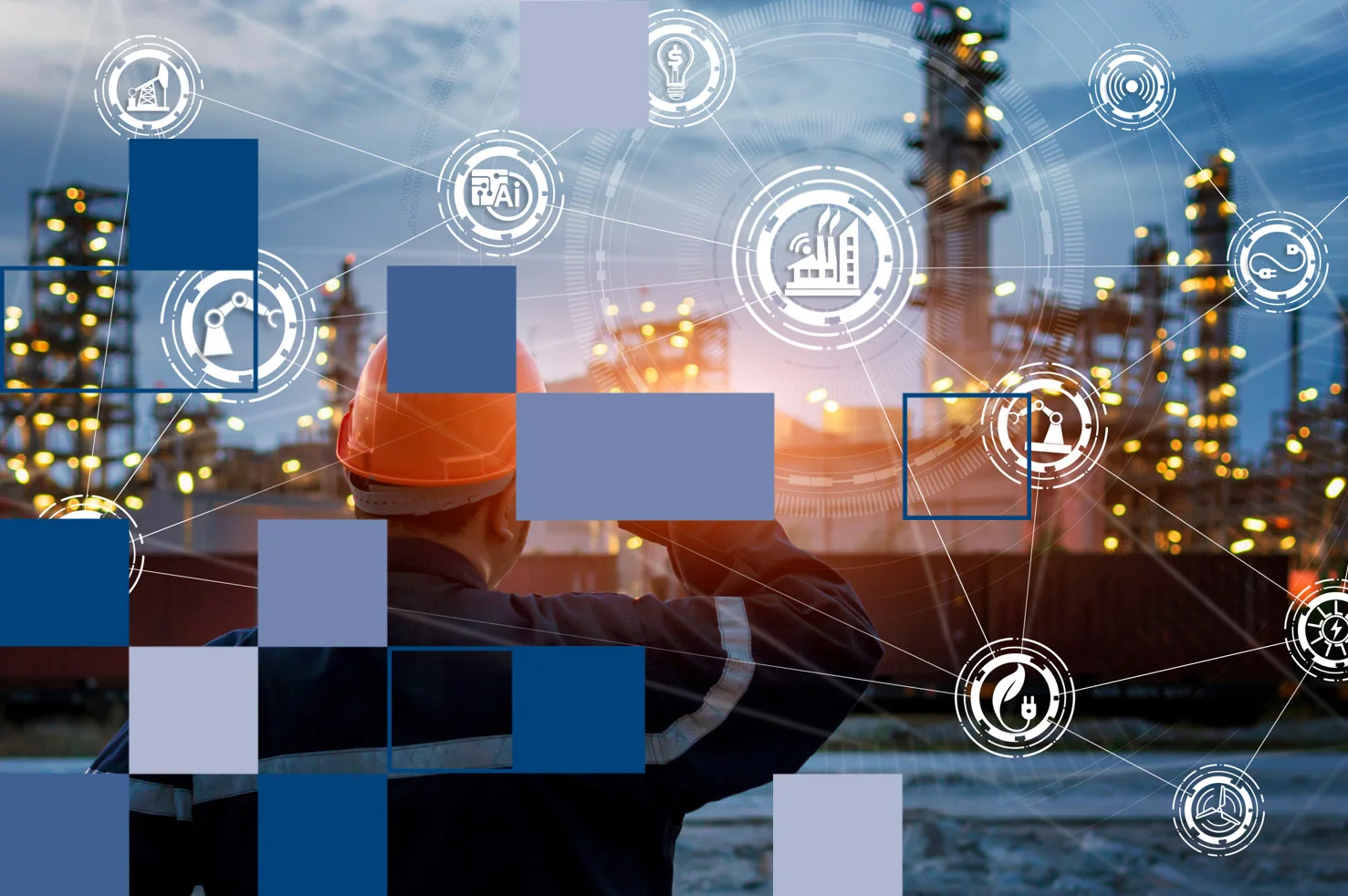
Digital transformation is changing oil and gas recruitment; it is no longer just about introducing new software or replacing paper-based processes. Across exploration, production, engineering, maintenance and major projects, technology is changing how energy companies monitor assets, make decisions, manage risk and improve operational performance. Artificial intelligence is being applied to increasingly complex datasets, automation is changing the way facilities are operated, and connected equipment is providing a much more detailed picture of asset condition.
However, the technology itself is only part of the story.
The success of digital transformation depends on people who understand how these systems work and, just as importantly, how to apply them in real industrial environments. This is creating growing demand for professionals who can bridge the gap between traditional oil and gas engineering and digital technology, and it is reshaping how employers approach engineering and technical recruitment.
From AI and digital twins to automation, connected sensors, and advanced analytics, five technologies are shaping the industry's digital future.
1. Artificial Intelligence and Machine Learning
Artificial intelligence is one of the most widely discussed areas of digital transformation in oil and gas, and its practical applications are becoming increasingly important for operators and for anyone involved in engineering recruitment across the sector.
AI and machine learning can process large datasets and identify patterns that conventional analysis may miss. The International Energy Agency’s analysis of AI for energy optimisation and innovation explores how these capabilities can improve energy operations. In oil and gas, this can support applications including:
- Predictive maintenance and equipment monitoring
- Production optimisation
- Subsurface analysis
Modern facilities increasingly use sensors and systems that monitor performance in real time, and AI can turn that data into information that supports faster, more informed decisions.
The technology does not remove the need for engineering expertise. In many cases, it makes that expertise more valuable.
An AI system may identify an unusual operating pattern, but an engineer still needs to understand what that pattern means in the context of the equipment, process and wider facility. This is why professionals who combine engineering knowledge with data, AI or analytical capabilities are becoming increasingly valuable.
For employers, the challenge is therefore not simply finding someone who understands AI. It is finding people who understand where AI can create practical value within an industrial environment.
2. Automation and Advanced Control Systems
Automation has been part of the industry for decades, but advances in digital technologies are expanding what automated and remotely operated systems can achieve.
Modern facilities can use sophisticated control systems to monitor processes, optimise operations, and reduce manual intervention. Increasing automation also lets operators manage certain activities remotely, which is especially valuable in hazardous or hard-to-access environments.
The challenge is often integration.
Oil and gas facilities can operate for decades, meaning new digital systems may need to work alongside established control infrastructure. Upgrading an existing facility differs greatly from designing a new digital system from scratch.
This creates demand for professionals who understand both the technology and the industrial environment it operates in. Automation engineers, control systems engineers and instrumentation specialists may increasingly need knowledge that extends beyond traditional engineering disciplines, including:
- Industrial networks and data flows
- Cybersecurity
- Remote monitoring
- System integration
Joint secure connectivity principles for operational technology, published in January 2026 by the NCSC and partner agencies, set out how to design and manage connectivity for both new and existing OT systems, a useful reference for integration work.
For professionals browsing oil and gas jobs in automation or wider engineering, this convergence creates opportunities to develop skills that sit across traditional engineering and digital technology.
It also creates a recruitment challenge. Experienced automation and controls professionals already understand the consequences of changing a live industrial system. Technology specialists may understand the digital architecture but have less experience of the operational environment. Finding professionals who can bridge those two worlds can be difficult.
3. Digital Twins
A digital twin creates a digital representation of a physical asset, system, or facility and can help you understand how that asset behaves under different conditions.
For energy companies, the concept has applications across the lifecycle of major facilities. A digital representation can bring together information about equipment, processes, performance and operating conditions, helping engineers understand what is happening in the physical asset and explore potential scenarios before making changes.
The value becomes especially apparent when digital information connects to live or regularly updated data from the physical asset. Instead of viewing engineering data, operational data and asset information as separate sources, a digital twin can help create a more integrated picture.
That requires more than software. Digital twin projects involve engineering knowledge, data management, modelling, systems integration and an understanding of the physical asset. Professionals need to understand both the technical model and the operational reality it represents.
An engineer who understands process systems, equipment behaviour and asset integrity may bring valuable knowledge to a digital twin project. Equally, data and technology professionals can provide expertise in modelling, integration and analytics.
4. IoT and Predictive Maintenance
The Industrial Internet of Things, or IIoT, is increasing the amount of information available from energy assets. Connected sensors and equipment can provide continuous information about:
- Temperature and pressure
- Vibration and flow
- Equipment condition and other operating parameters
Combined with analytics, this information can support a shift from traditional scheduled maintenance to more condition-based approaches. The objective is straightforward: understand equipment condition more accurately and identify potential problems earlier.
For maintenance and reliability teams, this can change the way decisions are made. Instead of asking whether equipment has reached a predetermined maintenance interval, teams can increasingly consider what the available condition data is showing. Engineers may identify a developing issue earlier, allowing them to investigate before it becomes a more significant operational problem. This can potentially reduce unplanned downtime, improve asset reliability and make maintenance resources more targeted.
Again, however, the technology does not operate independently. Sensors need to be selected, installed and maintained. Instrumentation needs to be reliable. Data needs to be collected and interpreted correctly. Engineers need to understand whether an apparent anomaly represents a genuine equipment issue or simply an unreliable data point.
This creates opportunities across maintenance, reliability, instrumentation and engineering. It also means that traditional engineering roles are evolving rather than simply disappearing. Reliability engineers, maintenance specialists, and instrumentation professionals may increasingly work alongside data specialists and technology teams.
5. Advanced Data Analytics
Energy companies have always generated large amounts of data. The challenge has increasingly become how to use that information effectively. Advanced data analytics can help organisations identify trends, understand performance, highlight potential problems and support better decisions across both projects and operations.
- Engineering teams: analyse equipment performance, compare operating conditions, or identify patterns associated with reliability issues.
- Project teams: greater visibility of progress, resources, costs and performance.
- Operations teams: support for decision-making around production, maintenance and asset performance.
The important distinction is between data and useful insight. Having more information does not automatically lead to better decisions. Organisations need people who understand the context behind the numbers and can translate analysis into practical action.
That is why the overlap between engineering and data capabilities is becoming increasingly important. A data specialist may be highly capable of building a model, but an engineer can provide the operational context needed to understand whether the result makes sense. Similarly, an engineer with strong analytical skills may spot opportunities that traditional analysis could overlook.
The IEA’s Digitalisation and Energy report explores how sensors, data processing and digital models can improve oil and gas operations. Turning these capabilities into practical results requires people who can move comfortably between technical operations and data.
How Digital Transformation Is Changing Oil and Gas Skills
Taken individually, these technologies are significant. Together, they are changing the skills the industry needs. Digital transformation does not necessarily mean traditional engineering skills are becoming less relevant. In many cases, the opposite is true.
As facilities become more connected and automated, organisations still need engineers who understand processes, equipment, production systems, maintenance and asset integrity. What is changing is the technology surrounding those disciplines and the capabilities professionals need to work effectively within it.
- An automation engineer may increasingly need to understand data and cybersecurity.
- A maintenance engineer may work with condition-monitoring systems and predictive analytics.
- An asset integrity professional may use increasingly sophisticated digital models.
- Project engineers may need to work with digital twins and integrated project information.
This is creating a more complex skills landscape. At the same time, energy companies are competing with other industries for technology professionals. Data scientists, AI specialists, software engineers, cybersecurity professionals and automation experts are in demand across manufacturing, technology, utilities, infrastructure and other sectors.
Oil and gas jobs therefore need to compete not only on salary, but also on the nature of the work, the technologies being deployed and the opportunities available to professionals who want to apply their expertise to major industrial challenges.
Upskilling existing workforces is another important part of the picture. Building digital capabilities within engineering teams can help ensure technology is adopted in ways that reflect the realities of operating complex energy assets.
The boundaries between "engineers" and "technology specialists" are becoming increasingly blurred.
What Digital Transformation Means for Oil and Gas Recruitment
For employers, this changing skills landscape presents a significant recruitment challenge and is reshaping what an effective oil and gas recruitment strategy looks like.
Traditional job descriptions may no longer fully capture the capabilities required. A role that once focused primarily on instrumentation, maintenance, process engineering or project controls may now require familiarity with data, automation, digital systems or advanced analytics. For engineering recruitment and technical recruitment teams alike, the brief is changing faster than the job title.
Digital skills now feature across a growing range of oil and gas jobs, including:
- Automation, control systems and instrumentation engineers
- Reliability engineers and maintenance specialists
- Asset integrity professionals and project engineers
- Data scientists, AI specialists, software engineers and cybersecurity professionals
Employers may need to look beyond traditional talent pools where appropriate. Professionals from manufacturing, industrial automation, technology, utilities and other engineering environments may possess highly transferable digital capabilities.
At the same time, sector knowledge remains valuable. Someone who understands both the technology and the consequences of applying it within a live energy environment can bring a different perspective from someone with digital expertise alone.
This is where specialist oil and gas recruitment can make a real difference. When a role also requires data, software, or cybersecurity skills, working with a technology recruitment agency that understands the energy environment can further broaden the talent pool.
Understanding the difference between a genuinely transferable skill and an energy-environment-specific requirement can help employers build more realistic talent strategies. It can also help identify candidates who lack the exact job title specified but have the right combination of technical and digital capabilities.
For oil and gas recruiters and engineering recruitment specialists, this means understanding how roles are changing rather than simply recruiting against yesterday's skills requirements.
Building the Digital Oil and Gas Workforce
Digital transformation in the energy sector is ultimately a people story as much as a technology story.
AI can process data, automation can control systems, sensors can monitor equipment, and digital twins can model assets. But people still need to design, implement, manage and interpret those technologies. The organisations that gain the most are likely to be those that can bring together technology expertise with deep knowledge of engineering and operations.
For professionals, this creates opportunities to broaden existing careers. Traditional engineering experience can provide a strong foundation for moving into oil and gas jobs in automation, digital engineering, data-led maintenance, asset performance or other technology-focused roles.
For employers, it means thinking more broadly about where future skills will come from and how to develop existing teams. And for technical recruitment, it means looking beyond job titles.
The most valuable candidate may not always have the longest list of digital qualifications. It may be the professional who understands the technology, knows the industry and can explain how the two can work together to solve a real operational problem.
As digital transformation continues, that combination of skills will likely become increasingly important, and oil and gas recruitment will increasingly focus on finding it.
Looking for Specialist Oil and Gas Recruitment?
Our dedicated oil and gas recruitment team works closely with employers to find the engineering, technical and digital professionals that modern energy projects need, for both permanent and contract hiring.
Get in touch with our team to discuss your hiring requirements.
Ready for your next oil and gasopportunity? Explore Orion’s latest oil and gas vacancies and sign-up for job alerts tailored to your specific search criteria.
Looking to recruit? Please get in touch and tell us more about your staffing requirements.
Frequently Asked Questions
What is digital transformation in oil and gas?
Digital transformation in oil and gas involves using digital technologies to improve how companies explore, produce, maintain, manage and operate energy assets. It includes technologies such as AI, automation, digital twins, connected sensors and advanced data analytics.
What technologies are transforming the oil and gas industry?
Five important technologies are artificial intelligence and machine learning, automation and advanced control systems, digital twins, the Industrial Internet of Things and advanced data analytics. These technologies can support asset performance, maintenance, production, engineering, and operational decision-making.
How is AI being used in oil and gas?
AI and machine learning can support predictive maintenance, equipment monitoring, production optimisation, and analysis of large operational datasets. The technology can support faster decision-making while still requiring engineers and operational specialists to interpret the results.
What skills are needed for digital transformation in oil and gas?
Requirements vary by project, but demand is increasingly focused on professionals who combine traditional engineering or operational knowledge with capabilities in automation, controls, data analytics, AI, digital systems, and technology integration.
How is digital transformation changing oil and gas jobs?
Digital transformation is changing the responsibilities and skills associated with many existing roles. Traditional engineering jobs are not necessarily disappearing; instead, professionals are increasingly expected to work alongside digital systems and understand how technology can improve engineering and operational outcomes.
Technology Recruitment Agency or Oil and Gas Recruiter?
Digital roles in oil and gas often sit between the two. A technology recruitment agency brings reach into data, software and cybersecurity talent, while specialist oil and gas recruitment brings an understanding of the operational environment. Many digital roles need both, so technical recruitment briefs increasingly cross traditional boundaries.
How does Orion support digital transformation projects?
Orion supports employers across oil and gas recruitment and engineering recruitment, helping organisations identify specialist technical professionals and access both established energy talent pools and transferable skills from adjacent industries. This includes supporting clients with permanent and contract recruitment where digital, engineering and operational capabilities increasingly overlap.